Medicine Through Time
Discover the brilliant minds who revolutionized medicine
930 – 994
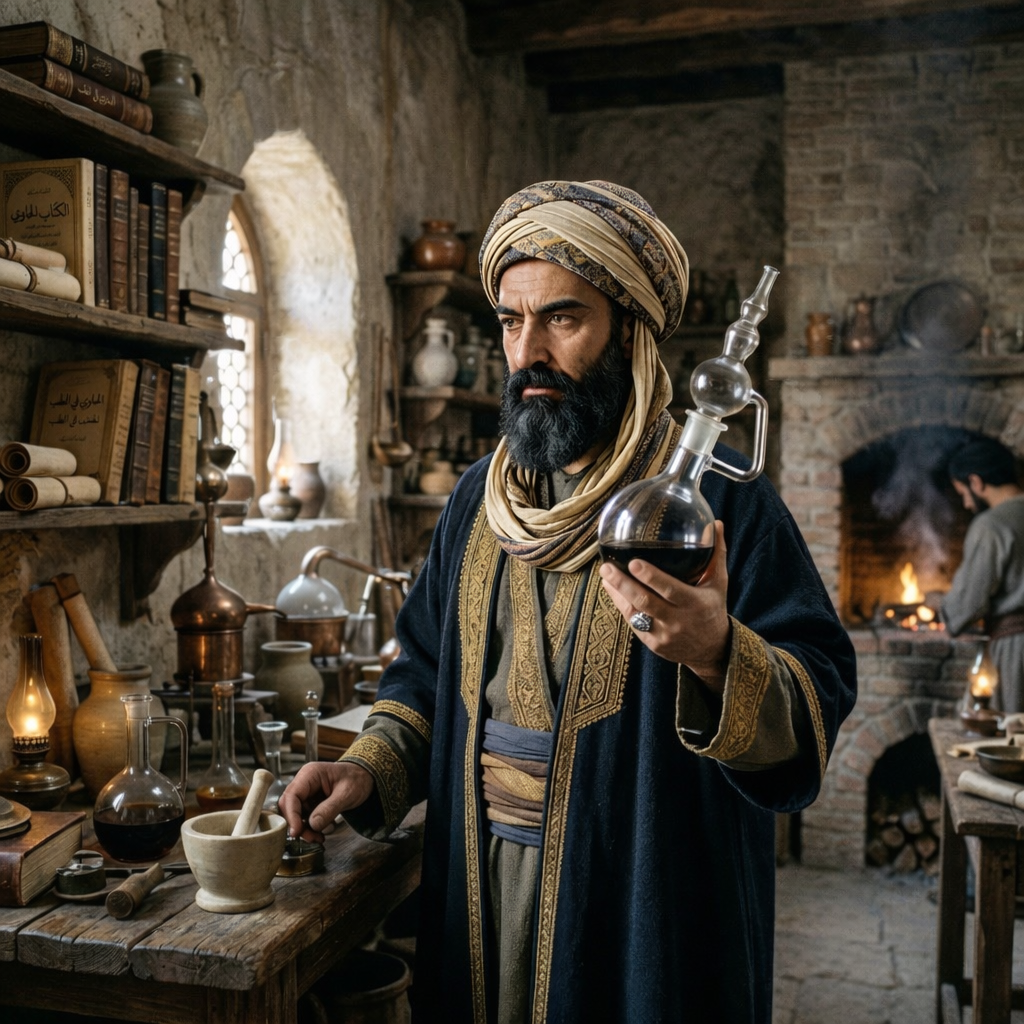
Ali ibn al-Abbas al-Majusi, known in the West as Haly Abbas, was a Persian physician and psychologist from the Islamic Golden Age. Born in Ahvaz, southwestern Persia, he became one of the three greatest physicians of the Eastern Caliphate. He served as physician to Emir Adud al-Daula of the Buwayhid dynasty and worked at the famous Al-Adudi Hospital in Baghdad, founded in 981. His ancestors were Zoroastrian (hence the name 'al-Majusi'), though he himself was Muslim. He is best known for his masterwork 'Kitab Kamil al-Sina'ah al-Tibbiyya' (The Complete Book of the Medical Art), a comprehensive 20-volume medical encyclopedia that was more systematic than Razi's works and more practical than Avicenna's Canon. The book covered theory and practice of medicine, including dietetics, materia medica, and pioneering descriptions of the capillary system and observations on childbirth mechanics.
936 – 1013
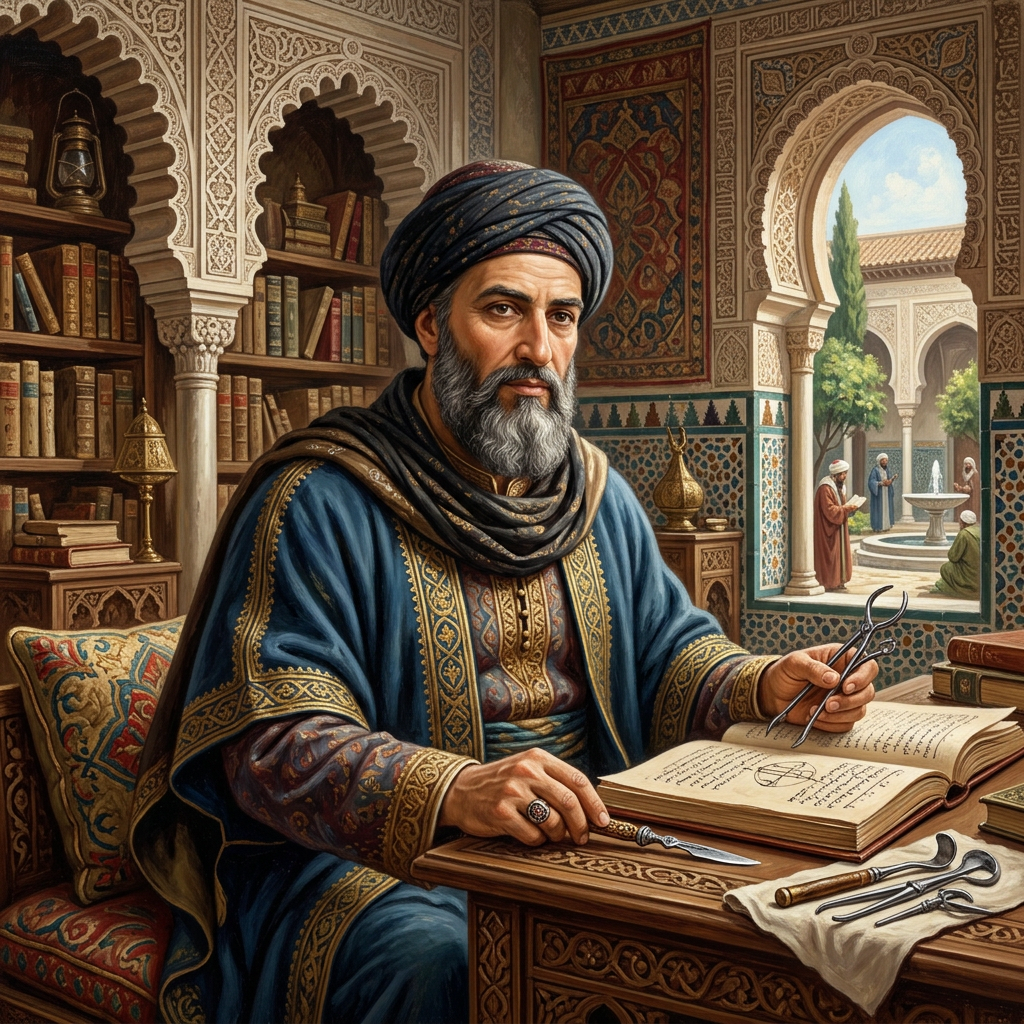
Al-Zahrawi, known in the West as Abulcasis, is considered the 'Father of Modern Surgery.' Working in Cordoba, Spain during the Islamic Golden Age, he wrote Al-Tasrif, a 30-volume medical encyclopedia that revolutionized surgical practice. The surgical section included detailed descriptions and illustrations of over 200 surgical instruments, many of which he invented himself. Al-Zahrawi pioneered numerous surgical procedures including the use of catgut for internal stitches, surgical treatment of head injuries, lithotomy (removal of bladder stones), and techniques for setting broken bones. He was the first to describe ectopic pregnancy and the first to use cotton and animal gut for surgical sutures. His work was translated into Latin and became the primary surgical textbook in European medical schools for over 500 years, influencing generations of surgeons.
1881 – 1955
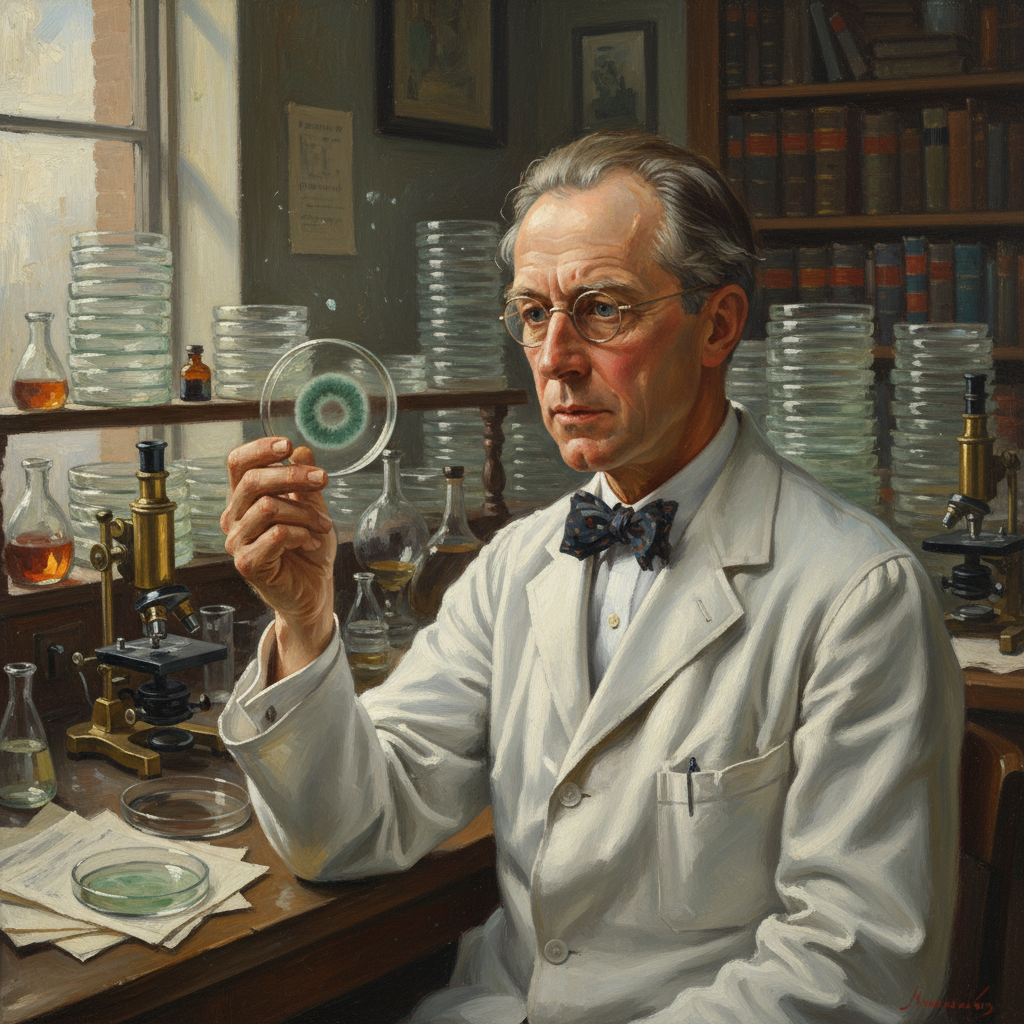
Alexander Fleming's accidental discovery of penicillin in 1928 initiated the antibiotic revolution that transformed medicine. A Scottish bacteriologist working at St. Mary's Hospital in London, Fleming noticed that a mold (Penicillium notatum) had contaminated one of his bacterial culture plates and killed the surrounding bacteria. Rather than discarding the 'ruined' experiment, he investigated and isolated the antibacterial substance, naming it penicillin. However, Fleming couldn't purify it for medical use. It wasn't until World War II that Howard Florey and Ernst Boris Chain successfully mass-produced purified penicillin. The antibiotic saved countless soldiers' lives and revolutionized treatment of bacterial infections. Fleming, Florey, and Chain shared the 1945 Nobel Prize in Physiology or Medicine. Penicillin's discovery led to development of many other antibiotics, transforming previously fatal infections into treatable conditions. Fleming famously warned about antibiotic resistance in his Nobel Prize acceptance speech - a problem we face today.
1510 – 1590
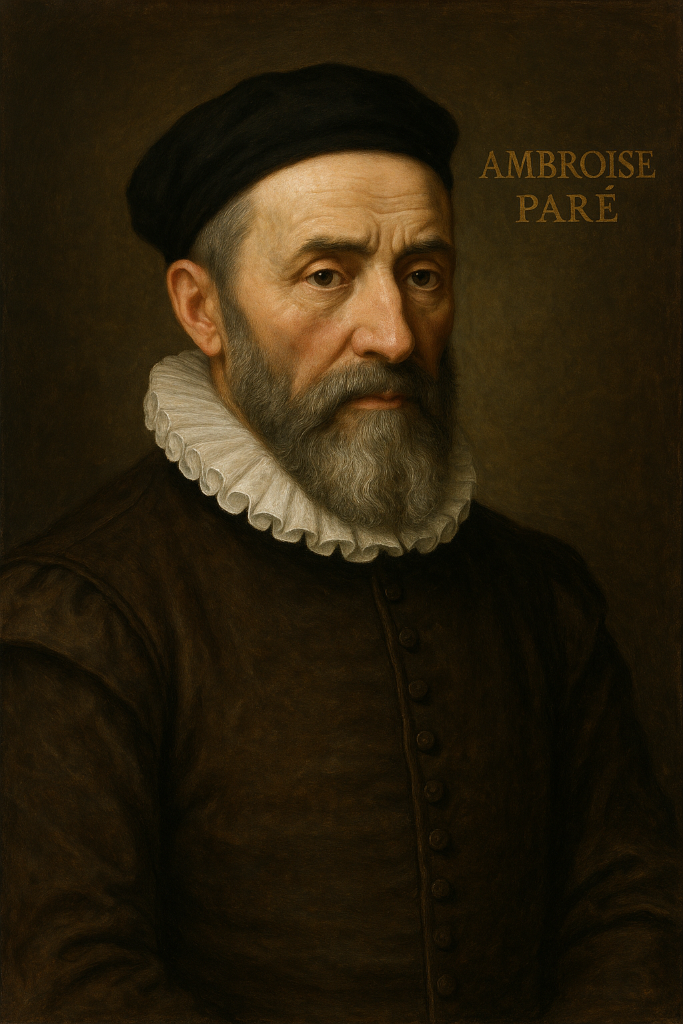
Ambroise Paré is considered the father of modern surgery and one of the greatest surgeons of the Renaissance. Born in France, he began his career as a barber-surgeon (at the time, surgeons ranked below physicians). Through his work treating wounded soldiers, Paré revolutionized surgical practice. In 1536, during the siege of Turin, Paré ran out of boiling oil (the standard treatment for gunshot wounds, which was agonizingly painful). Forced to improvise, he applied a mixture of egg yolk, rose oil, and turpentine. To his amazement, these patients suffered less pain and healed better than those treated with boiling oil. This accidental discovery led him to abandon cauterization. Paré pioneered the use of ligatures (tying off blood vessels with thread) instead of cauterization to stop bleeding during amputations. This made surgery less painful and more successful. He designed artificial limbs and advanced prosthetics for amputees, many of which were remarkably sophisticated. He improved surgical instruments and techniques, and wrote extensively in French rather than Latin, making surgical knowledge accessible to more practitioners. Despite lacking formal university education, Paré became surgeon to four French kings and was renowned throughout Europe.
1514 – 1564
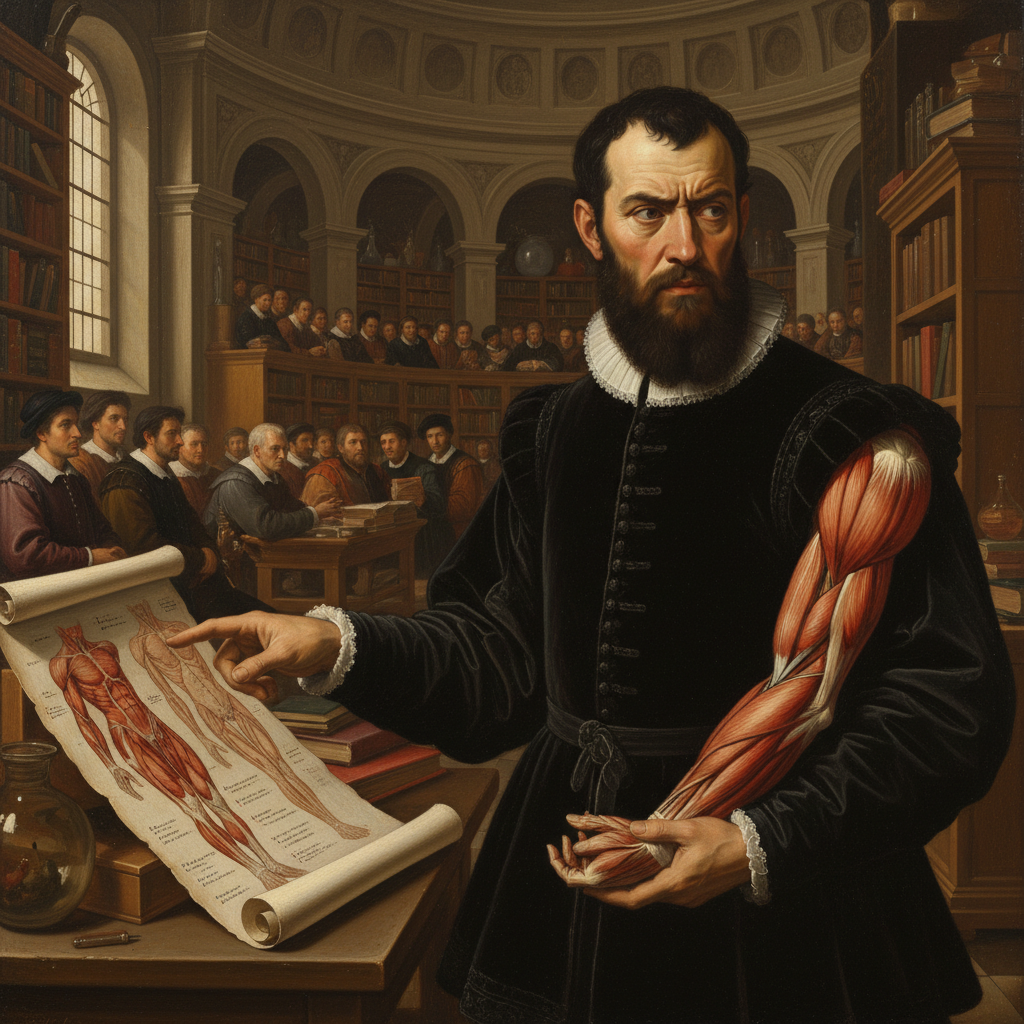
Andreas Vesalius revolutionized the study of human anatomy through direct observation and dissection. Born in Brussels, he challenged 1,400 years of accepted medical wisdom based on Galen's work, which was derived from animal rather than human dissection. At age 29, Vesalius published De Humani Corporis Fabrica (On the Fabric of the Human Body), a masterpiece of scientific literature featuring detailed anatomical illustrations based on actual human dissections. This work corrected over 200 errors in Galenic anatomy and established the principle that medical knowledge must be based on direct observation. Vesalius personally performed dissections before students, breaking with tradition where professors lectured while barber-surgeons did the dissection. His meticulous approach and beautiful anatomical illustrations set new standards for medical education and scientific investigation.
980 – 1037
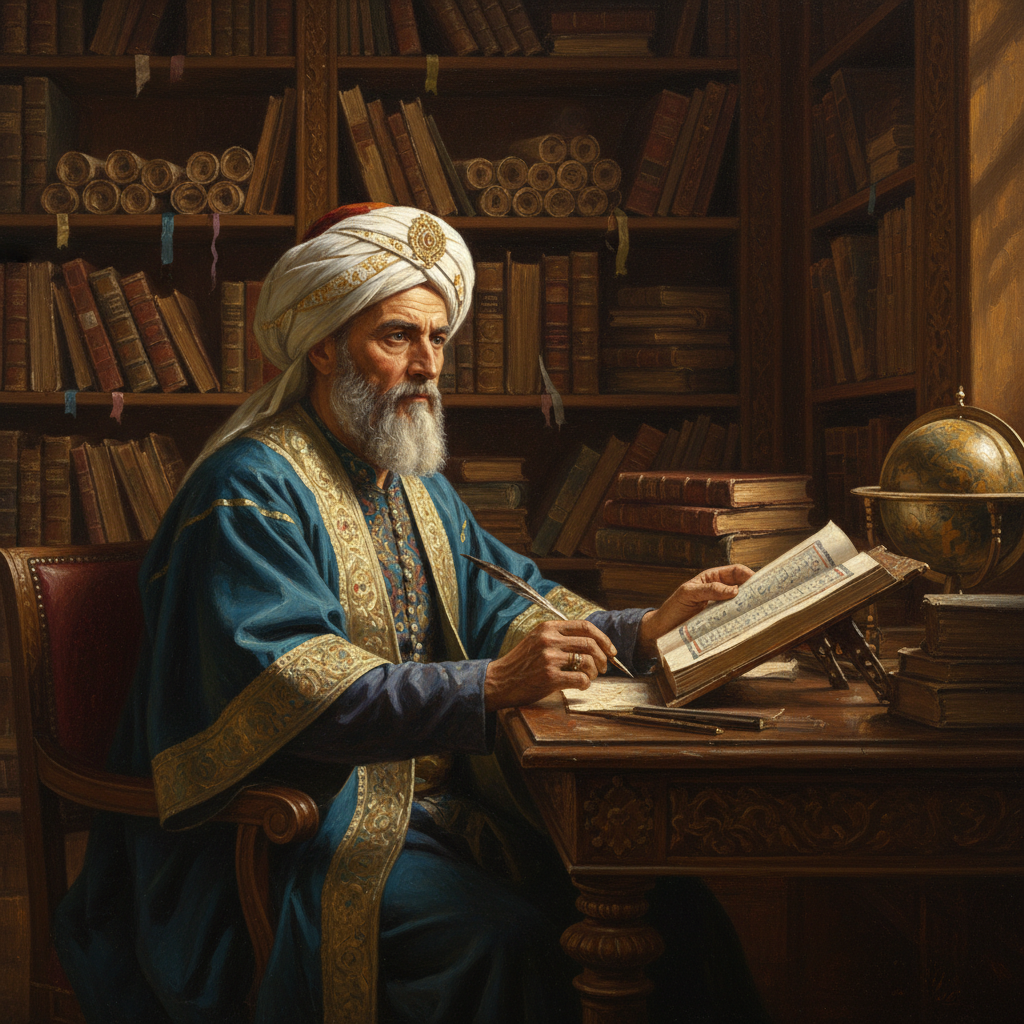
Avicenna (Ibn Sina) was a Persian polymath regarded as one of the most significant physicians, astronomers, philosophers, and writers of the Islamic Golden Age. Born near Bukhara in present-day Uzbekistan, he was a child prodigy who had memorized the Quran by age 10 and mastered medicine by 18. His most famous work, 'The Canon of Medicine' (Al-Qanun fi al-Tibb), was a medical encyclopedia organized into five books that systematized all known medical knowledge from ancient and Islamic sources. The Canon became the standard medical textbook in Europe and the Islamic world for over 500 years, used at universities like Montpellier and Leuven until the 18th century. Avicenna introduced systematic experimentation and quarantine to control disease spread. He described over 760 drugs and their effects, pioneered clinical trials, and contributed to understanding of infectious diseases, psychiatric conditions, and anatomy. Beyond medicine, he wrote on philosophy, astronomy, alchemy, geography, and poetry, producing approximately 450 works.
1904 – 1950
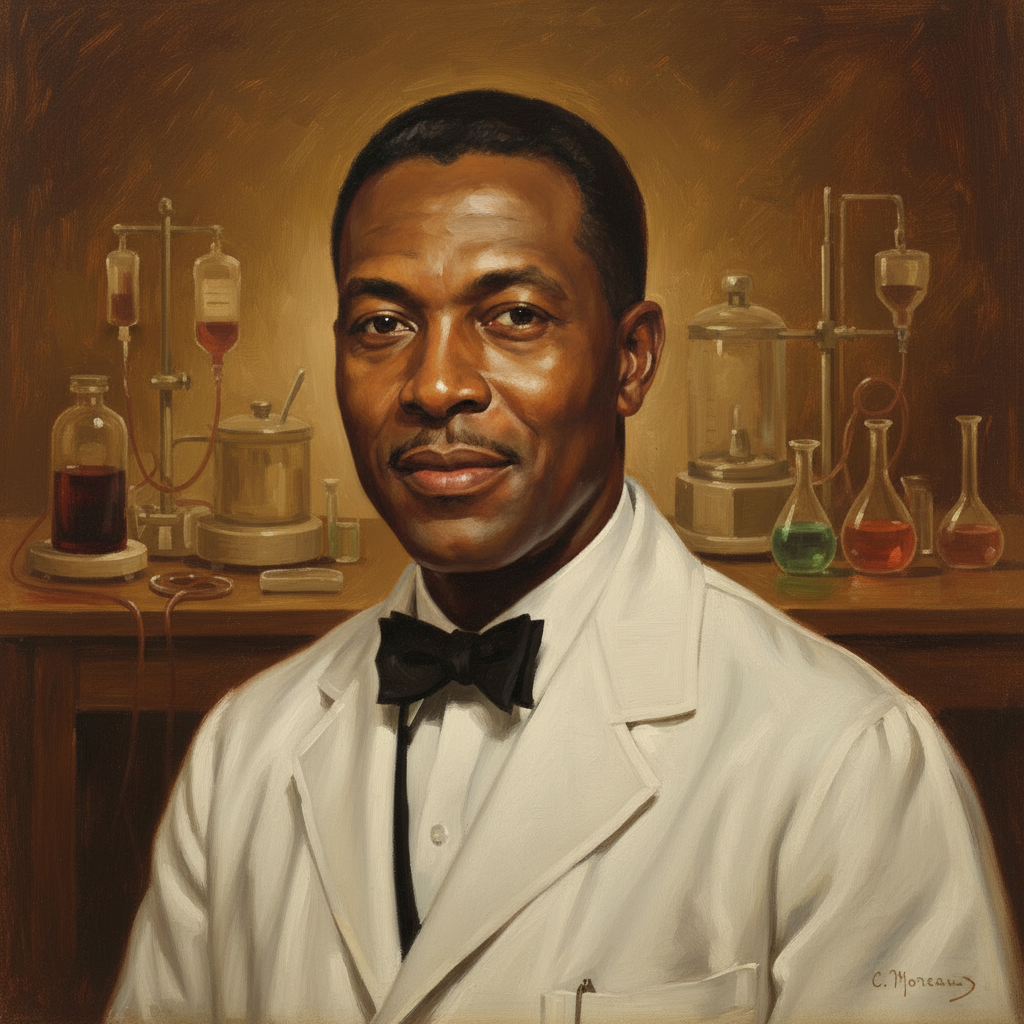
Charles Richard Drew was an African-American surgeon, medical researcher, and educator whose groundbreaking work on blood preservation and storage transformed emergency medicine and saved countless lives. Born in Washington D.C. in 1904, Drew excelled academically and athletically, earning his medical degree from McGill University before completing advanced training at Columbia University. His doctoral research on banked blood — 'Banked Blood: A Study in Blood Preservation' (1940) — established the scientific foundation for large-scale blood banking. At the outbreak of World War II, Drew was appointed director of the first large-scale blood bank program for the British military, and later director of the American Red Cross blood bank — the first such effort in American history. His pioneering 'bloodmobiles' and systematic collection protocols meant that thousands of soldiers received lifesaving transfusions on the front lines. Drew later became the first African-American to serve as an examiner for the American Board of Surgery, and spent his final years as chief surgeon and head of surgery at Freedmen's Hospital in Washington, training a generation of Black physicians. He died in a car accident in 1950 at just 45 years old, but his legacy endures in every blood bank operating today.
1959
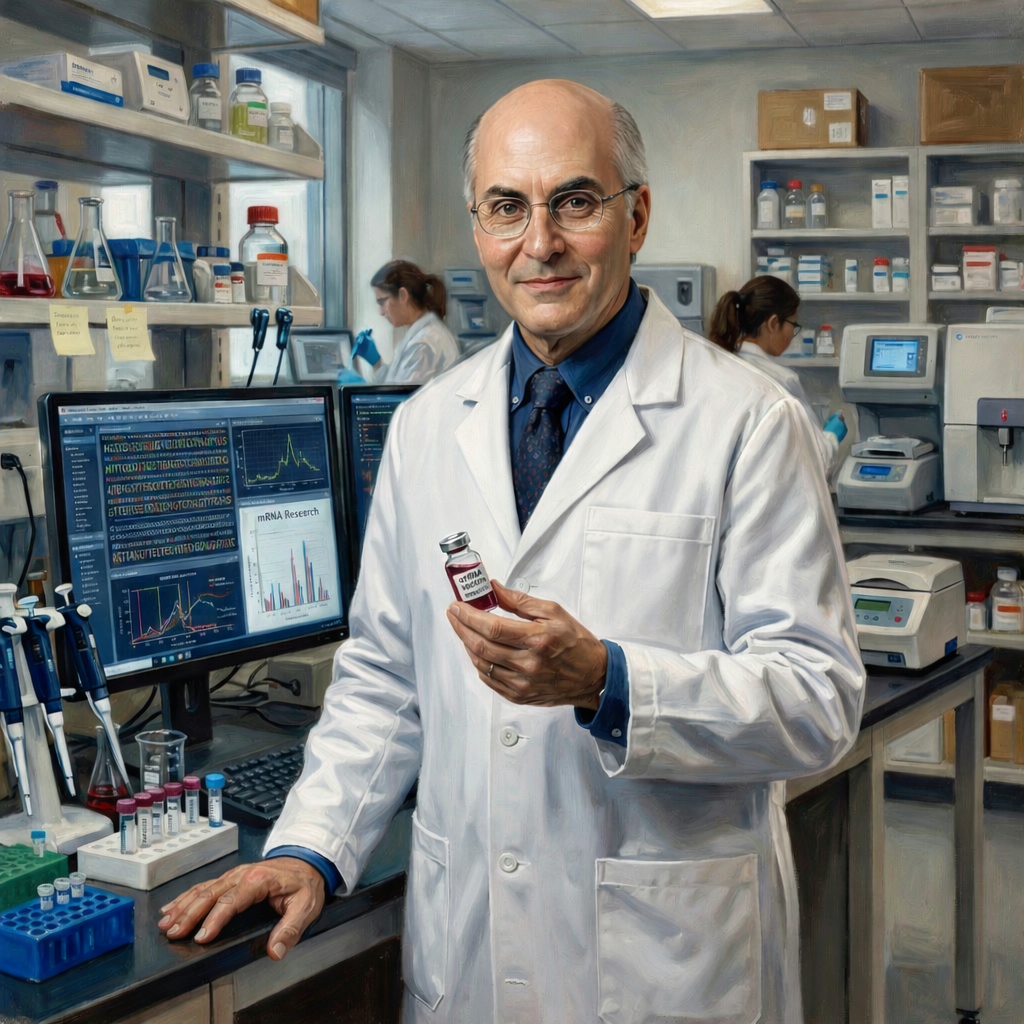
Drew Weissman is an American immunologist who, together with Katalin Karikó, developed the modified mRNA technology that enabled COVID-19 vaccines. An MD-PhD who initially studied HIV vaccines, Weissman met Karikó at the University of Pennsylvania in 1998. They began collaborating on making mRNA a viable therapeutic tool. Together, they discovered that replacing uridine with pseudouridine in mRNA prevented inflammatory immune responses, making mRNA medicines safe and effective. Their 2005 papers describing this breakthrough were largely ignored at the time. However, when the COVID-19 pandemic hit, their technology became the foundation for the highly effective Pfizer-BioNTech and Moderna vaccines, developed in record time. These vaccines demonstrated 95% efficacy and have saved millions of lives globally. In 2023, Weissman and Karikó shared the Nobel Prize in Physiology or Medicine. Their work has opened possibilities for mRNA treatments for cancer, genetic diseases, and other conditions.
1749 – 1823
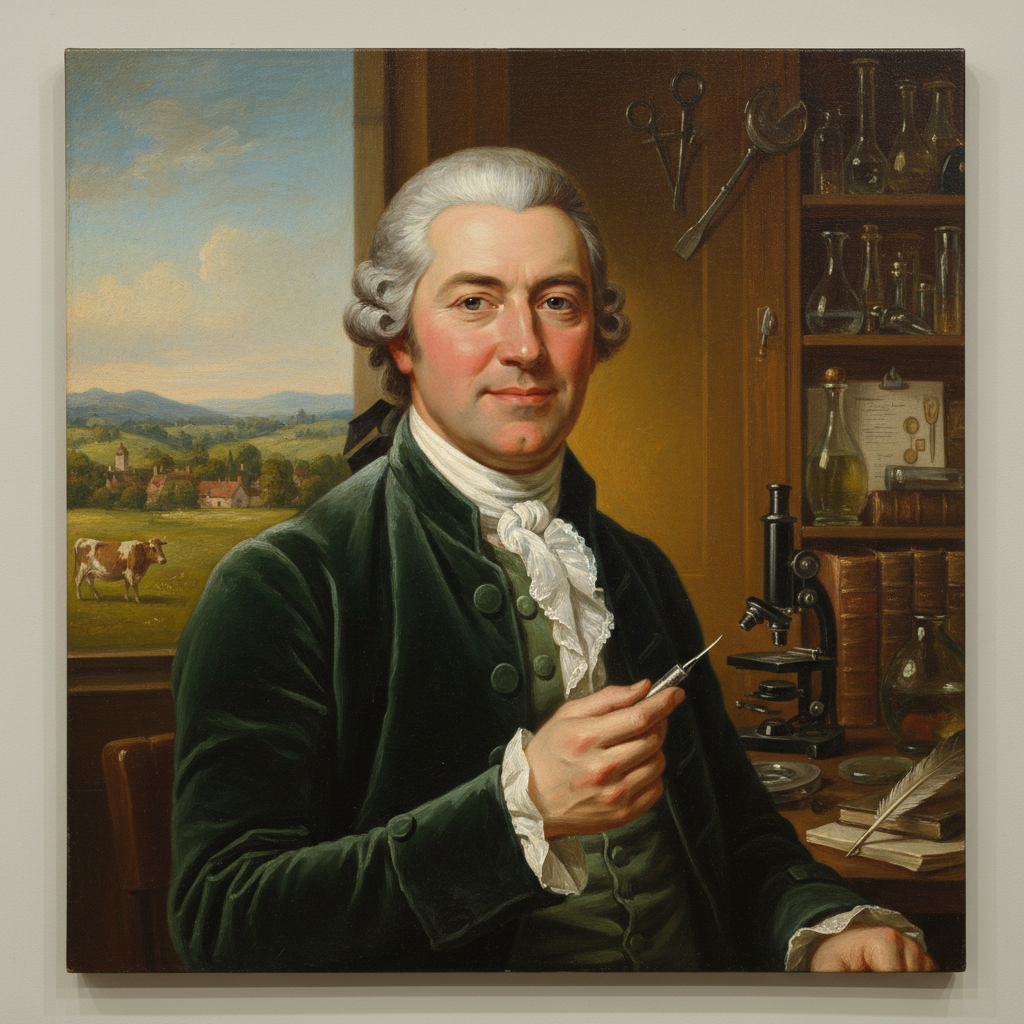
Edward Jenner created the world's first vaccine and established the science of immunology. An English physician and scientist, Jenner observed that milkmaids who contracted cowpox (a mild disease) never got smallpox (a deadly disease). In 1796, he conducted a famous experiment: he extracted pus from a cowpox pustule on a milkmaid's hand and inoculated it into an 8-year-old boy named James Phipps. Six weeks later, he deliberately exposed the boy to smallpox, and James didn't get sick. This proved that cowpox infection provided immunity to smallpox. Jenner called his technique 'vaccination' from the Latin word 'vacca' (cow). Despite initial skepticism, vaccination spread worldwide and eventually led to smallpox being completely eradicated in 1980 - the only human disease ever eliminated. Jenner's work saved more lives than any other medical discovery.
1968
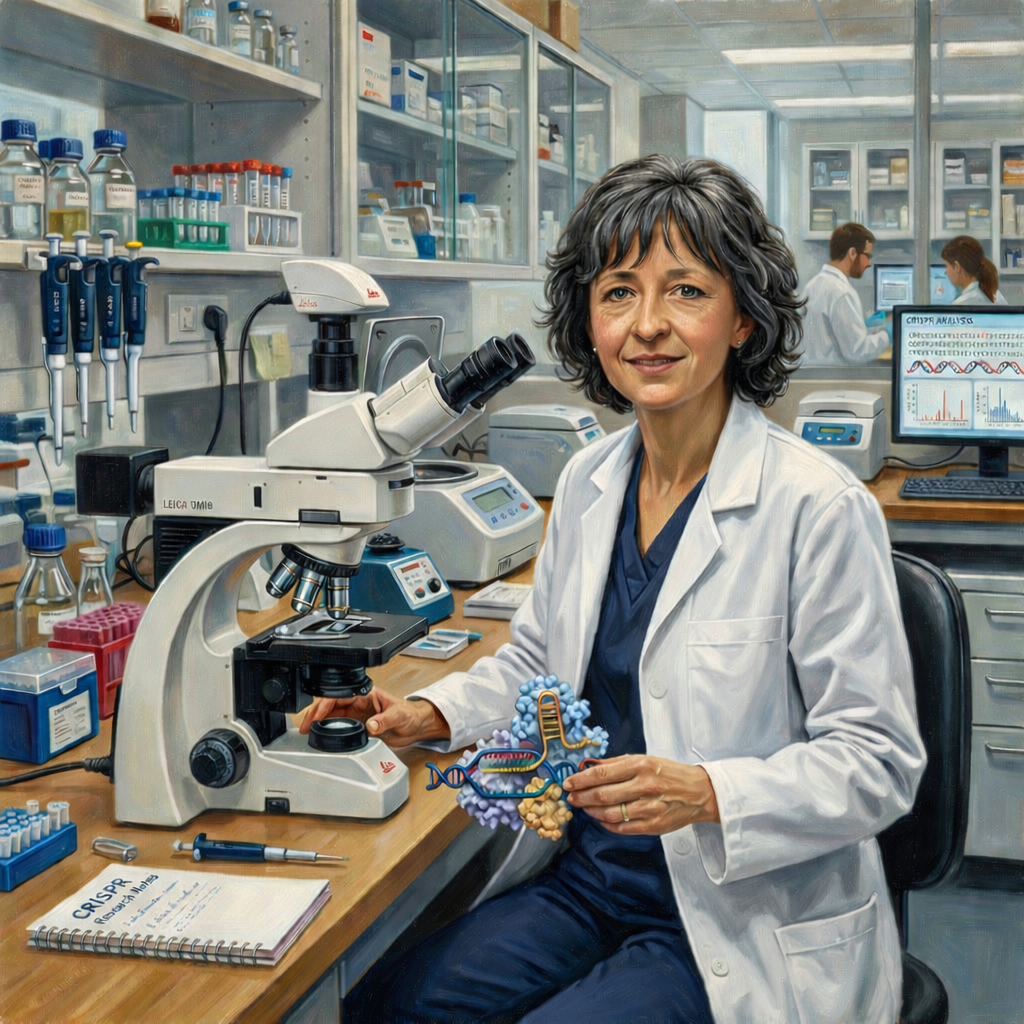
Emmanuelle Charpentier is a French microbiologist who co-discovered the CRISPR-Cas9 gene editing system with Jennifer Doudna. Working on bacterial immune systems, Charpentier discovered that Cas9, a bacterial protein, could be programmed to cut DNA at specific locations. She collaborated with Doudna to develop this into a precise gene-editing tool that works in any organism. Their 2012 paper describing the technique revolutionized biology, enabling scientists to edit genes with unprecedented precision and ease. CRISPR-Cas9 has applications in medicine (treating genetic diseases, fighting cancer), agriculture (creating disease-resistant crops), and research (understanding gene function). In 2020, Charpentier and Doudna became only the second all-female team to win a Nobel Prize in science, receiving the Chemistry prize. Charpentier's work demonstrates how studying basic bacterial biology can lead to world-changing medical applications.
1820 – 1910
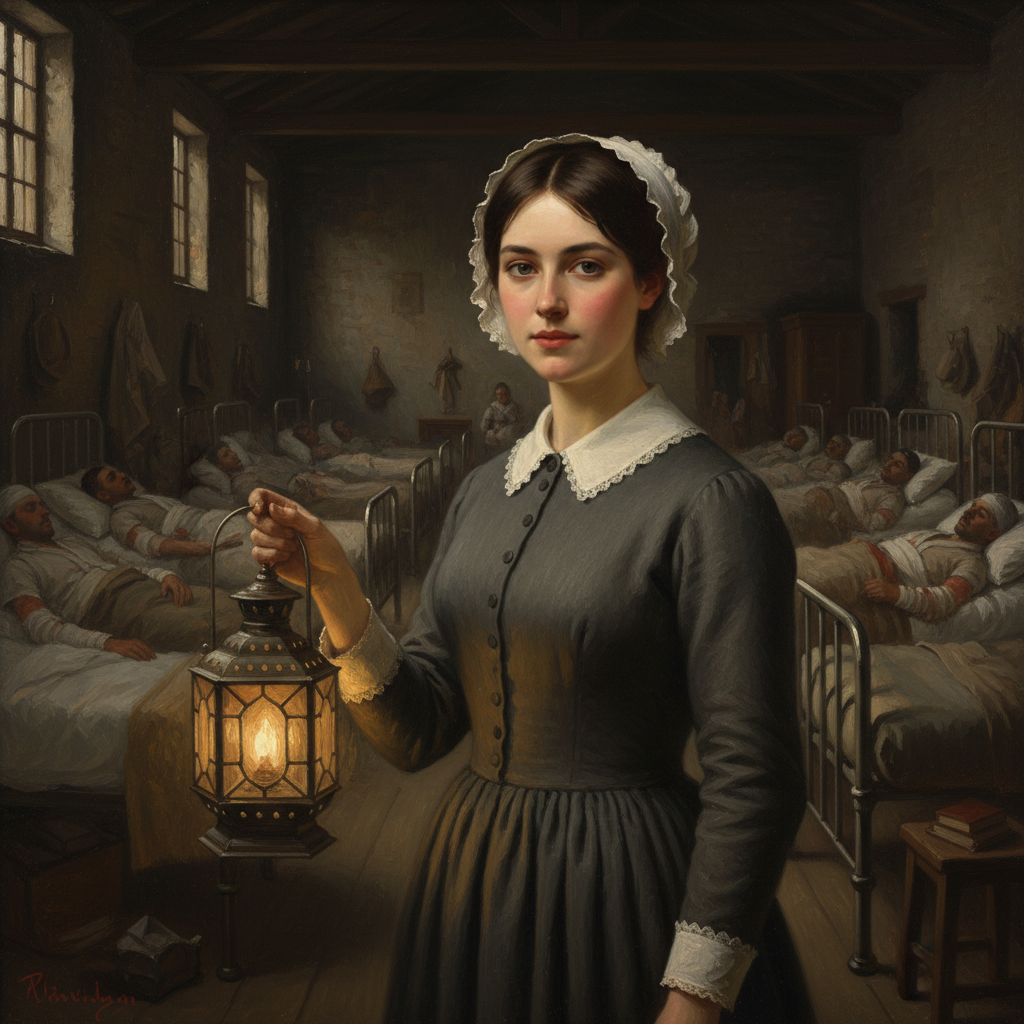
Florence Nightingale transformed nursing from menial work into a respected medical profession. Born into a wealthy British family, she defied social expectations to pursue nursing. During the Crimean War (1853-1856), she led a team of nurses to British military hospitals where soldiers were dying from infections in appalling conditions. Nightingale revolutionized hospital care by implementing strict hygiene protocols, proper ventilation, and organized patient care. Death rates in her hospitals dropped from 42% to 2%. A pioneering statistician, she created innovative graphs and charts to prove that improved sanitation saved lives, using data to drive healthcare reform. After the war, she established the Nightingale Training School for Nurses at St. Thomas' Hospital in London, creating the first professional nursing education program. Her standards for hospital sanitation, patient care, and nursing education became models worldwide.
129 – 216
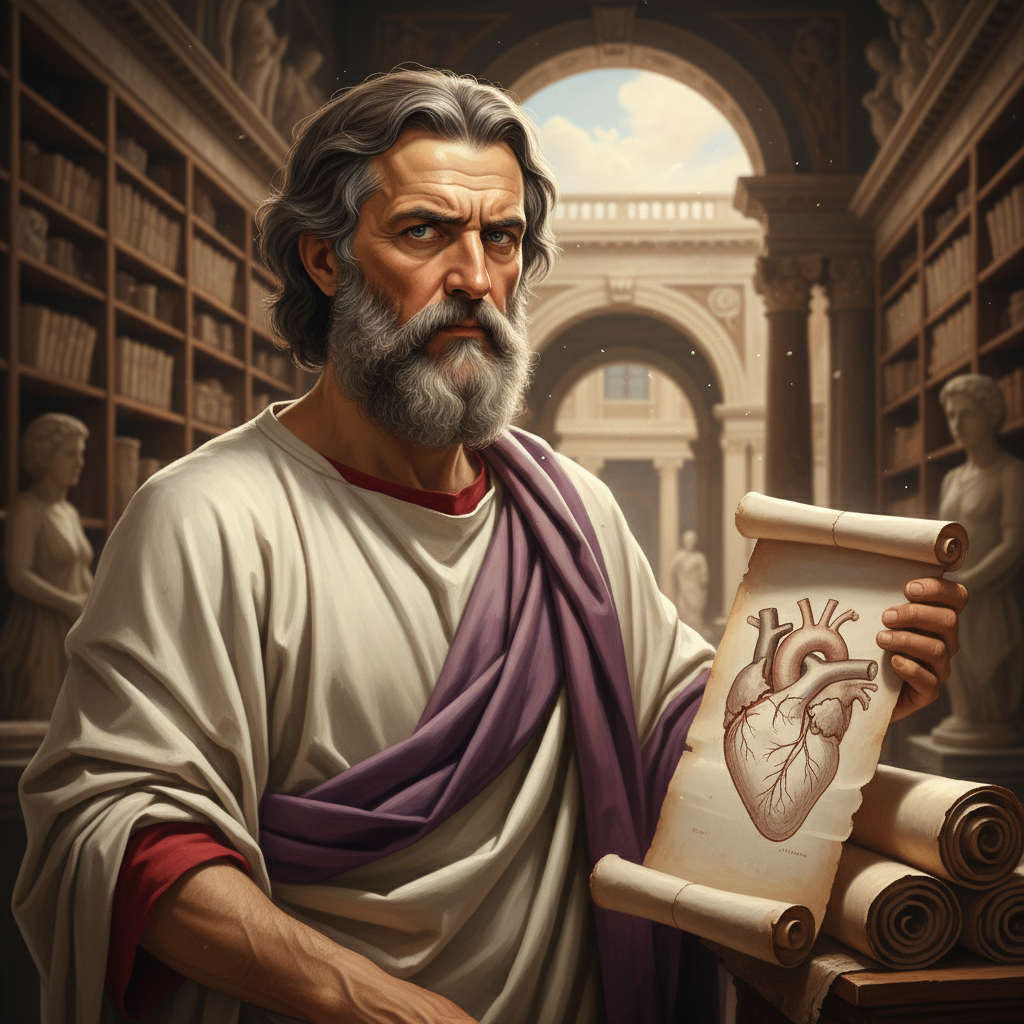
Galen was one of the most influential medical practitioners in ancient Rome. Born in Pergamon (modern-day Turkey), he gained fame as a physician to gladiators before moving to Rome where he served several emperors. Through extensive animal dissections (human dissection was forbidden), Galen made groundbreaking discoveries in anatomy and physiology. He identified the brain as the center of intelligence, described the function of spinal nerves, and understood that arteries carry blood, not air as previously believed. His medical writings were so authoritative that they remained the standard medical reference in Europe and the Islamic world for over 1,300 years. While some of his theories were later proven incorrect (due to his reliance on animal rather than human dissection), his emphasis on systematic experimentation and observation established important scientific principles.
1682 – 1771
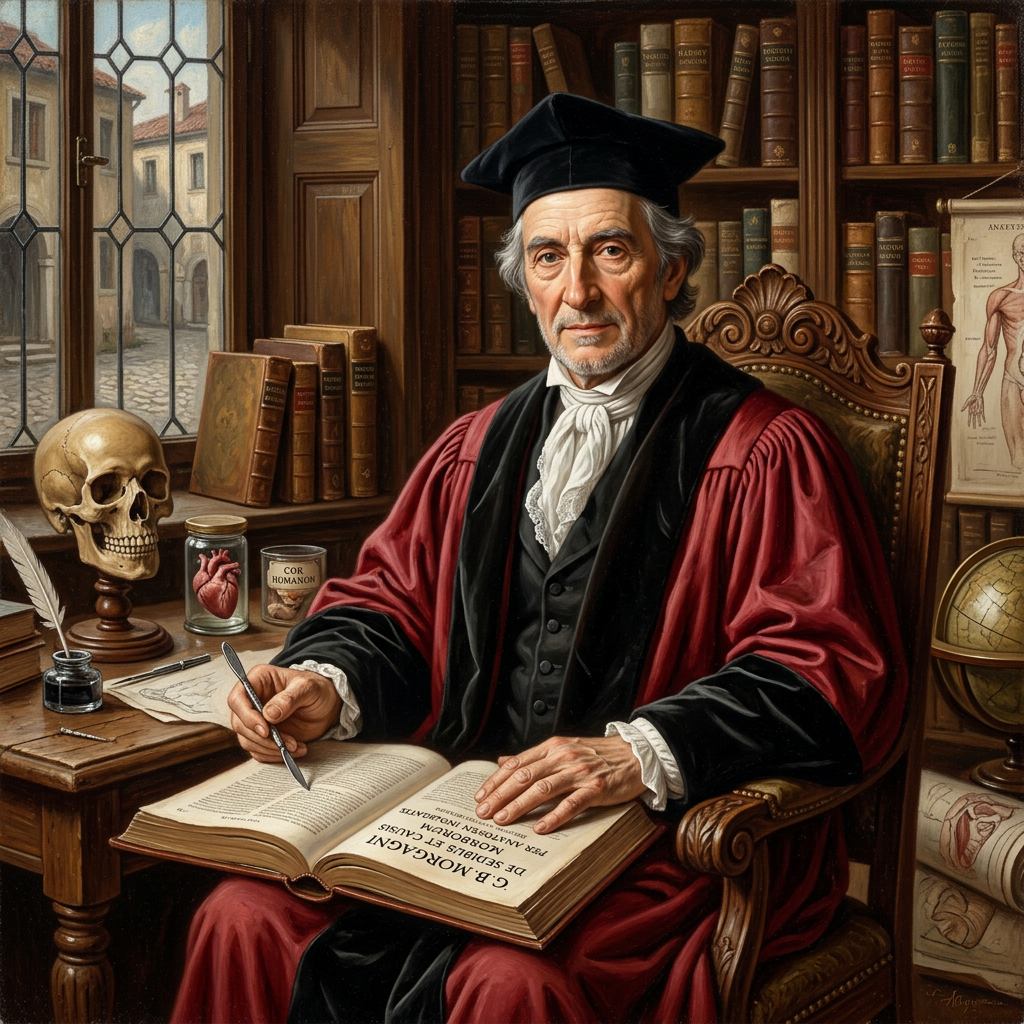
Giovanni Battista Morgagni is considered the father of modern pathology. An Italian anatomist and pathologist, he revolutionized medicine by systematically correlating patients' symptoms during life with the anatomical changes found in their organs after death. Before Morgagni, physicians focused on symptoms and humoral theories without understanding the actual organ damage causing disease. At age 79, Morgagni published his masterwork 'De Sedibus et Causis Morborum per Anatomen Indagatis' (On the Seats and Causes of Diseases Investigated through Anatomy). This monumental work, based on 700 autopsies performed over 60 years, contained detailed case studies linking clinical symptoms with specific pathological lesions in organs. For the first time, diseases were understood as localized problems in specific organs rather than general bodily imbalances. Morgagni demonstrated that stroke was caused by bleeding in the brain, heart attacks by blockages in coronary arteries, and various diseases by specific organ damage. His systematic approach established pathological anatomy as a medical discipline and transformed disease diagnosis from speculation to scientific investigation. His work laid the foundation for modern medicine's understanding of disease mechanisms.
1668 – 1738
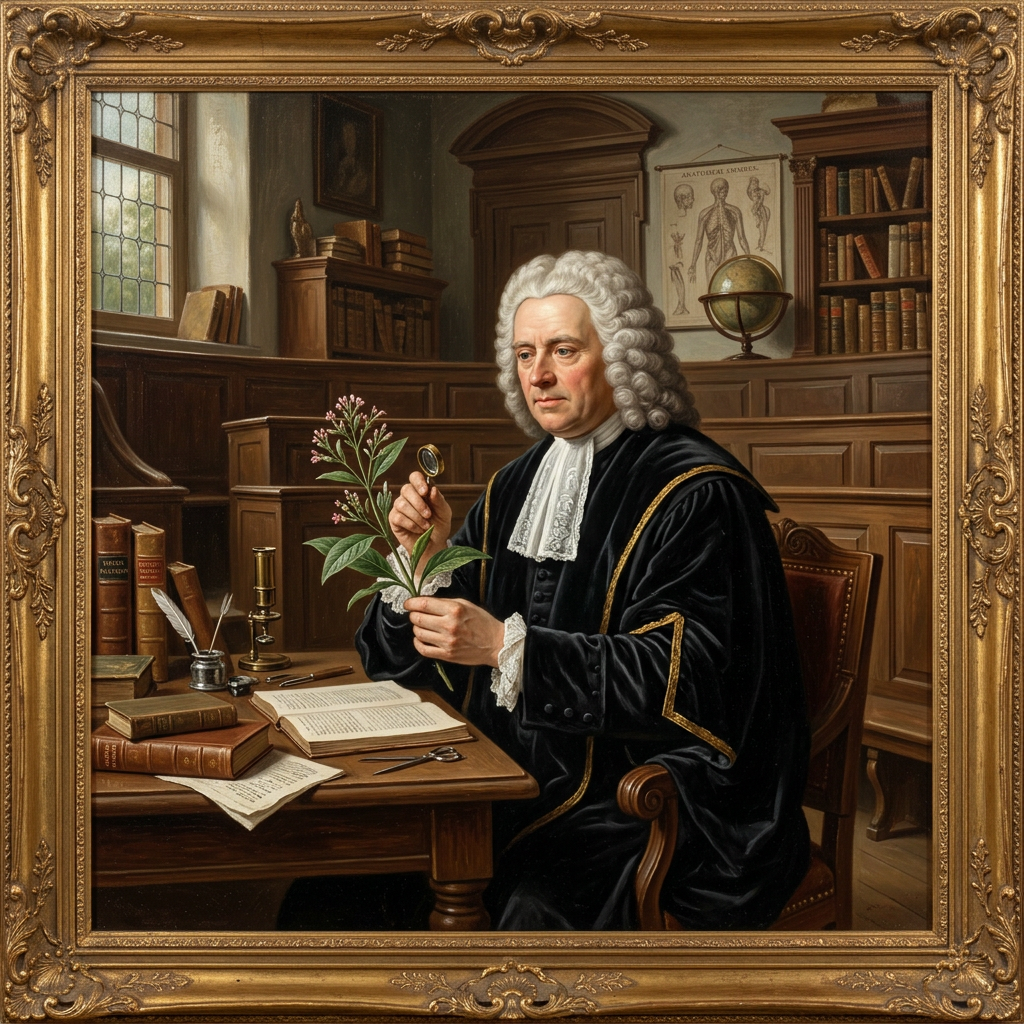
Herman Boerhaave was a Dutch physician who transformed medical education and earned the title 'Dutch Hippocrates.' Professor at the University of Leiden, he revolutionized how medicine was taught by bringing clinical teaching to hospital bedsides. Rather than lecturing in classrooms, Boerhaave took students to examine actual patients, teaching them to observe symptoms, make diagnoses, and follow disease progression. This clinical method became the standard for medical education worldwide. Boerhaave was a polymath who held professorships in medicine, botany, and chemistry simultaneously. His textbook Institutiones Medicae (Medical Institutes) systematically organized medical knowledge and was used throughout Europe. He emphasized careful observation, accurate diagnosis, and rational treatment based on scientific principles rather than tradition. Boerhaave studied the chemistry of digestion, the nature of inflammation, and nervous system diseases. His fame spread so widely that a letter from China addressed simply to 'Dr. Boerhaave, Europe' reached him. Students traveled from across Europe to study with him, and they spread his clinical teaching methods worldwide. Notable students included Albrecht von Haller and Gerard van Swieten, who became leading physicians themselves.
-460 – -370
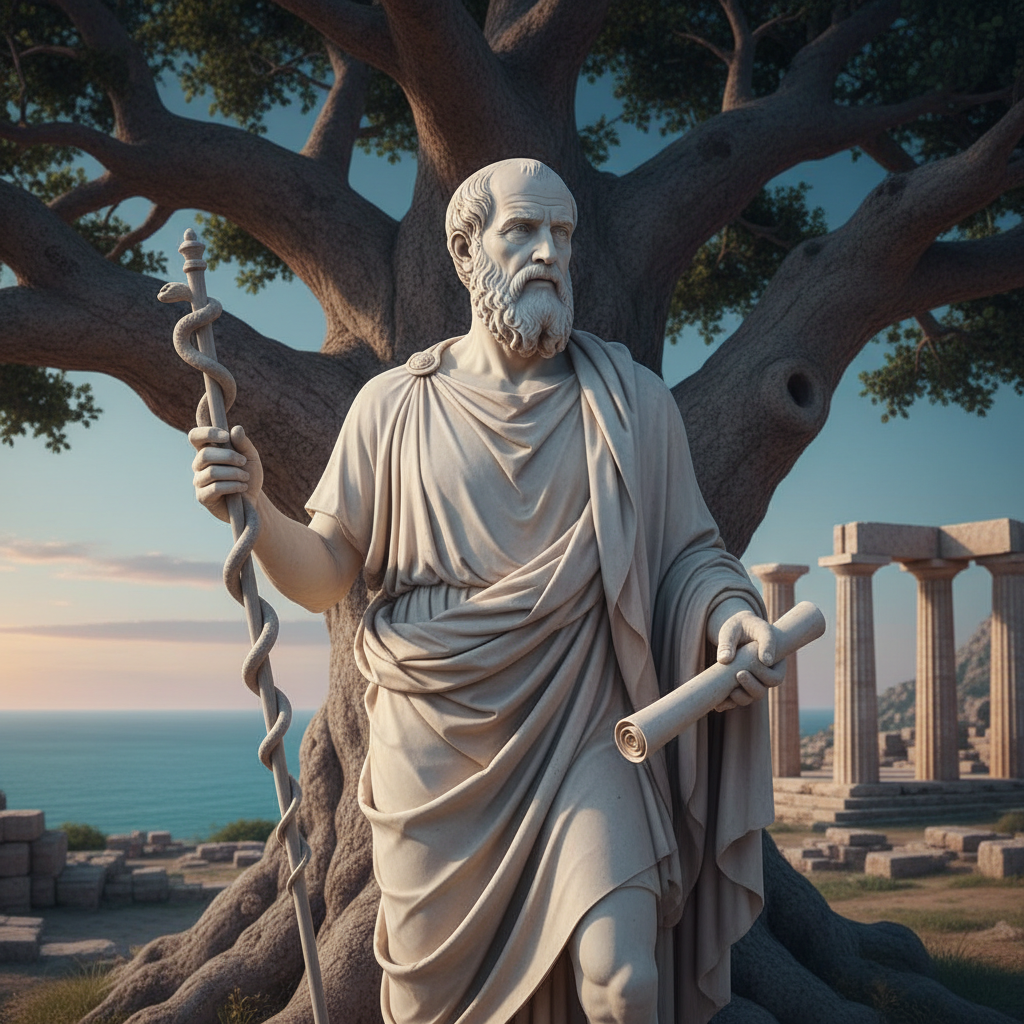
Known as the 'Father of Medicine,' Hippocrates revolutionized medical practice by separating it from religion and superstition. Born on the Greek island of Kos, he established medicine as a profession and created the Hippocratic Oath, which physicians still recite today. Hippocrates believed that diseases had natural causes and could be understood through careful observation and logical reasoning. He emphasized the importance of clinical observation, documentation of medical cases, and ethical treatment of patients. His medical philosophy stressed the healing power of nature and the physician's role in supporting the body's natural healing processes. The Hippocratic Corpus, a collection of medical texts attributed to him and his followers, laid the groundwork for Western medicine.
1213 – 1288
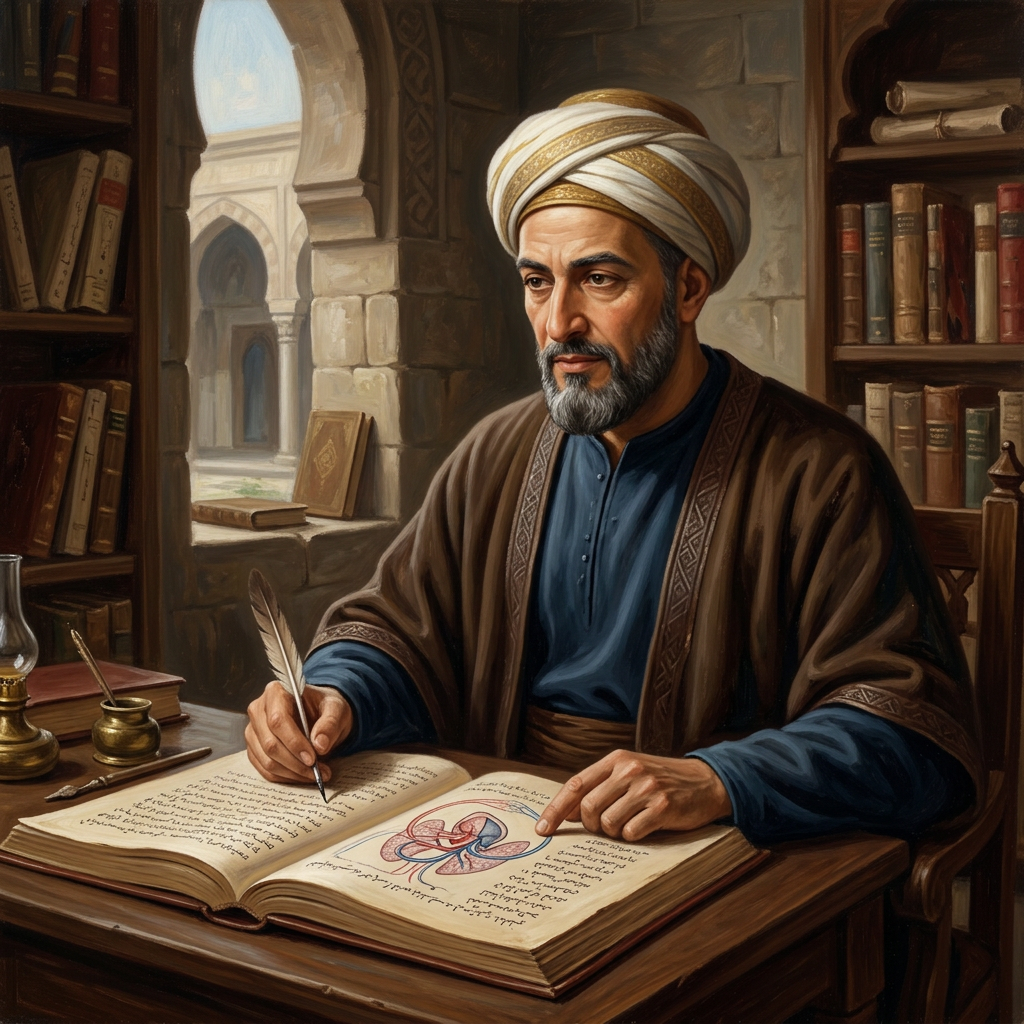
Ibn al-Nafis was an Arab physician who made one of the most important discoveries in medical history - the pulmonary circulation of blood - over 300 years before William Harvey. Born in Damascus, Syria, he worked in Cairo, Egypt, where he became chief physician at the Al-Nasiri Hospital. Through logical reasoning based on dissection observations, he discovered that blood flows from the right side of the heart to the lungs, where it is oxygenated, then returns to the left side of the heart before being pumped to the body. This directly contradicted Galen's 1,000-year-old theory that blood passed through invisible pores in the heart's septum. Ibn al-Nafis wrote his discovery in his Commentary on Anatomy in Avicenna's Canon. His work remained unknown in Europe until the 20th century when historians discovered that European anatomists had likely seen his manuscripts. He also wrote The Comprehensive Book on Medicine, which would have been 300 volumes if completed. Ibn al-Nafis made important observations about the anatomy of the eye, brain, and nervous system. His rational, evidence-based approach to anatomy was centuries ahead of his time.
1818 – 1865
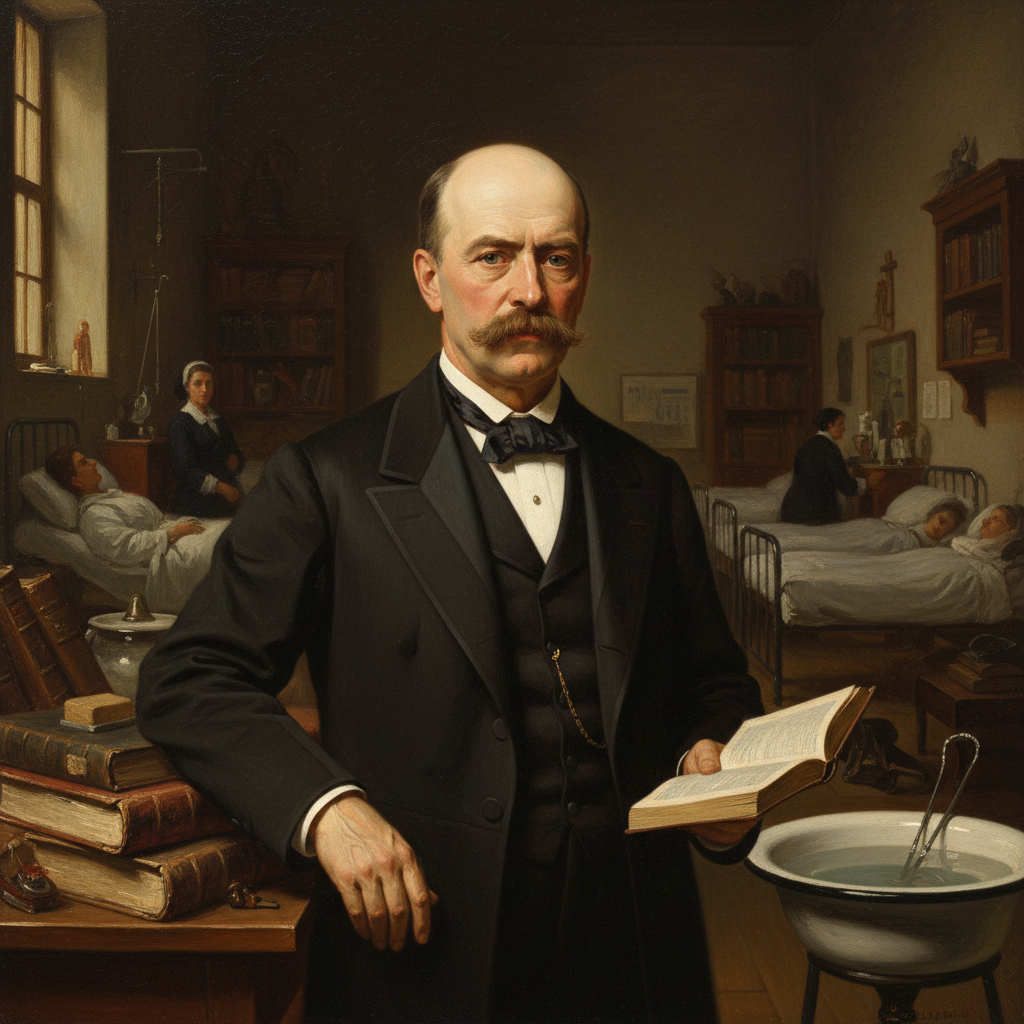
Ignaz Semmelweis was a Hungarian physician who discovered that handwashing could prevent childbed fever (puerperal sepsis), which killed countless new mothers. Working at Vienna General Hospital in 1847, Semmelweis noticed that the maternity ward staffed by doctors had a death rate three times higher than the ward staffed by midwives. Investigating, he realized that doctors came directly from performing autopsies to delivering babies without washing their hands, while midwives didn't perform autopsies. When a colleague died from infection after being cut during an autopsy, showing symptoms similar to childbed fever, Semmelweis made the connection: doctors were carrying 'cadaverous particles' from corpses to mothers. He mandated that doctors wash hands with chlorinated lime solution before examinations. Death rates in his ward plummeted from 18% to less than 1%. Despite this dramatic success, the medical establishment ridiculed and rejected Semmelweis's ideas - doctors found it offensive to suggest they caused patient deaths. Broken by rejection and mockery, Semmelweis suffered a mental breakdown and died at age 47 in a mental asylum, ironically from an infection similar to the one he'd fought to prevent. Only after his death, when Pasteur's germ theory provided scientific explanation, was Semmelweis vindicated.
-2650 – -2600
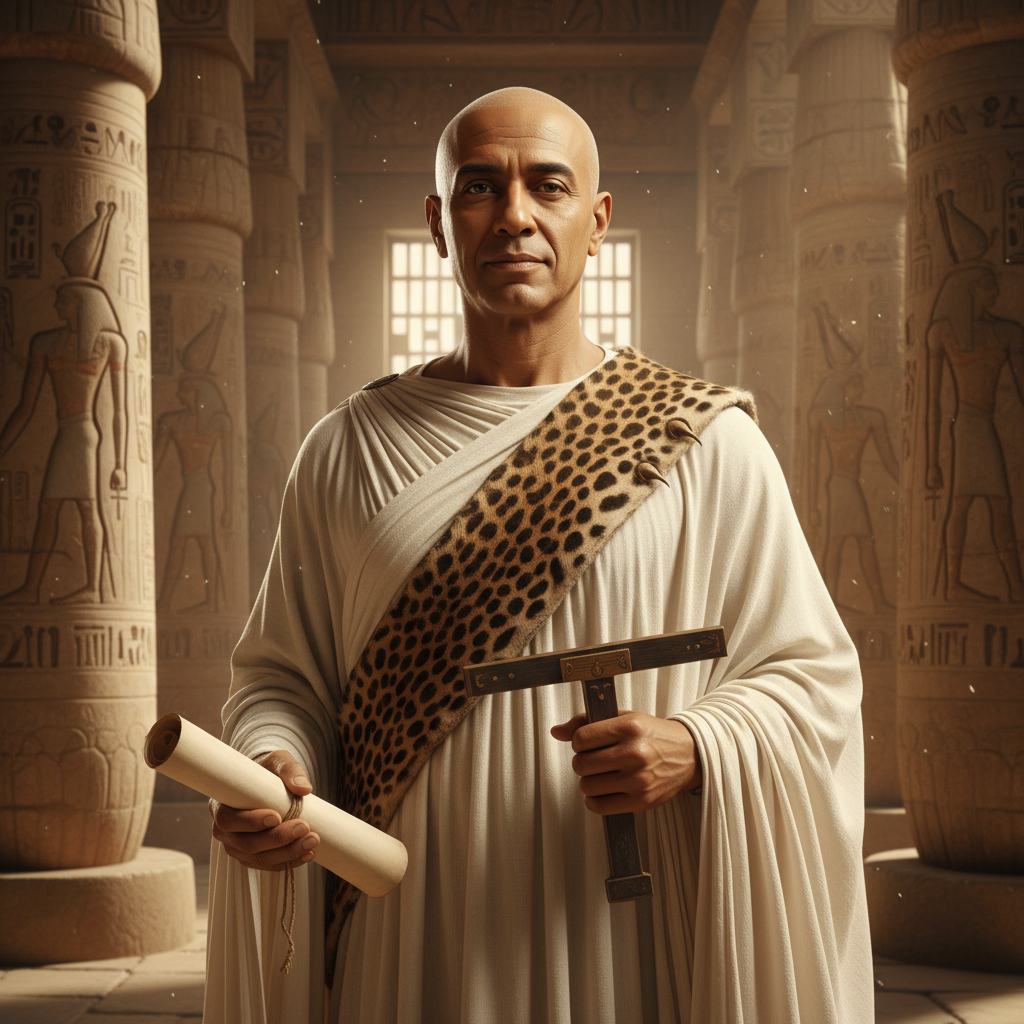
Imhotep is one of the first physicians whose name has been recorded in history. Serving as chief minister to Pharaoh Djoser, he was a polymath who excelled in medicine, architecture, and engineering. He is credited with writing early medical texts describing the treatment of over 200 diseases and injuries, including fractures, tumors, and wounds. Imhotep's approach emphasized observation and rational treatment rather than relying solely on magic and supernatural explanations. He was later deified as the Egyptian god of medicine and healing. His reputation was so great that 2,000 years after his death, he was worshipped as a god of medicine, and sick people would sleep in his temples hoping for healing dreams.
1964
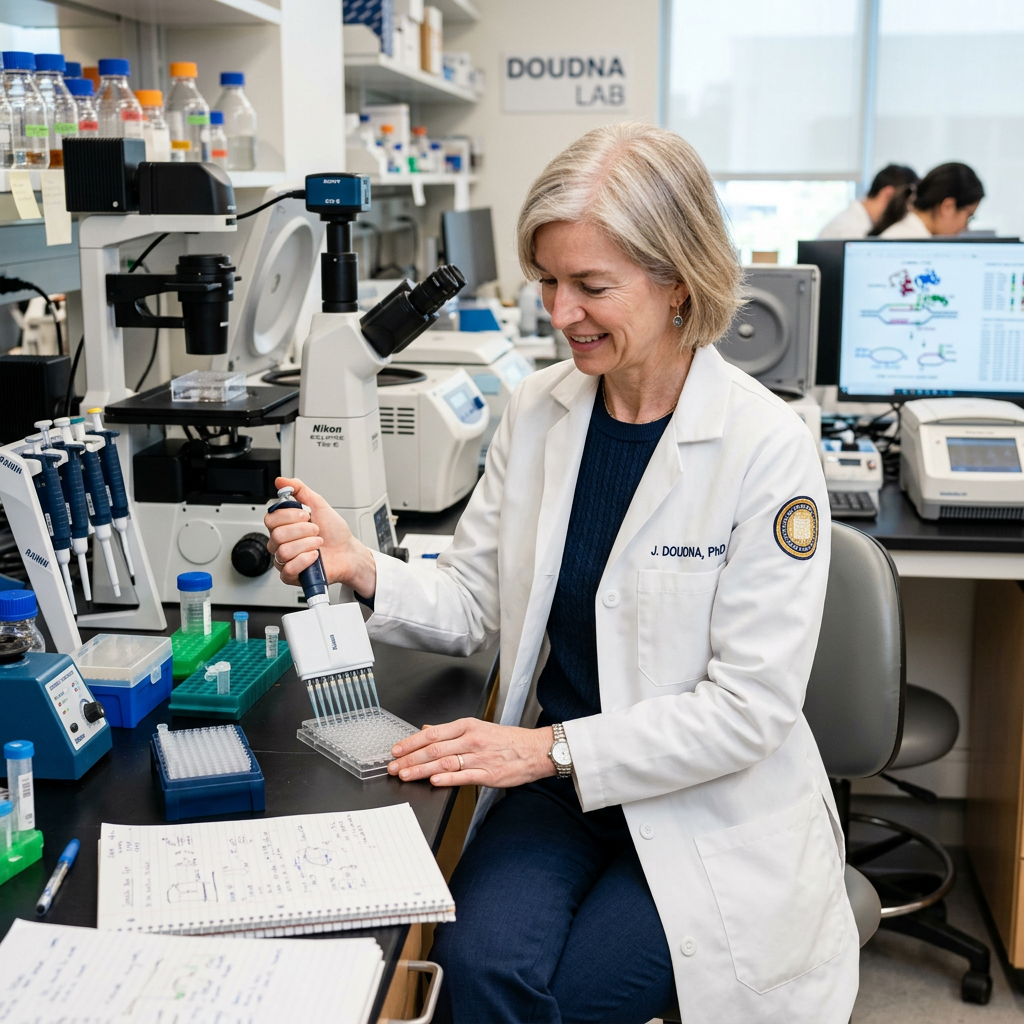
Jennifer Doudna is an American biochemist who co-discovered CRISPR-Cas9 gene editing, one of the most powerful tools in modern biology. CRISPR (Clustered Regularly Interspaced Short Palindromic Repeats) is a natural bacterial immune system that Doudna and Emmanuelle Charpentier adapted into a precise gene-editing tool. Published in 2012, their discovery allows scientists to target and modify specific DNA sequences with unprecedented accuracy. This revolutionary technology has applications in treating genetic diseases, developing disease-resistant crops, fighting cancer, and potentially eliminating inherited conditions. CRISPR has been called 'molecular scissors' for DNA. Doudna and Charpentier received the 2020 Nobel Prize in Chemistry - only the second time two women shared a Nobel Prize in science without a male co-recipient. Their work raises important ethical questions about gene editing, which Doudna actively addresses through public engagement and policy discussions.
1914 – 1995
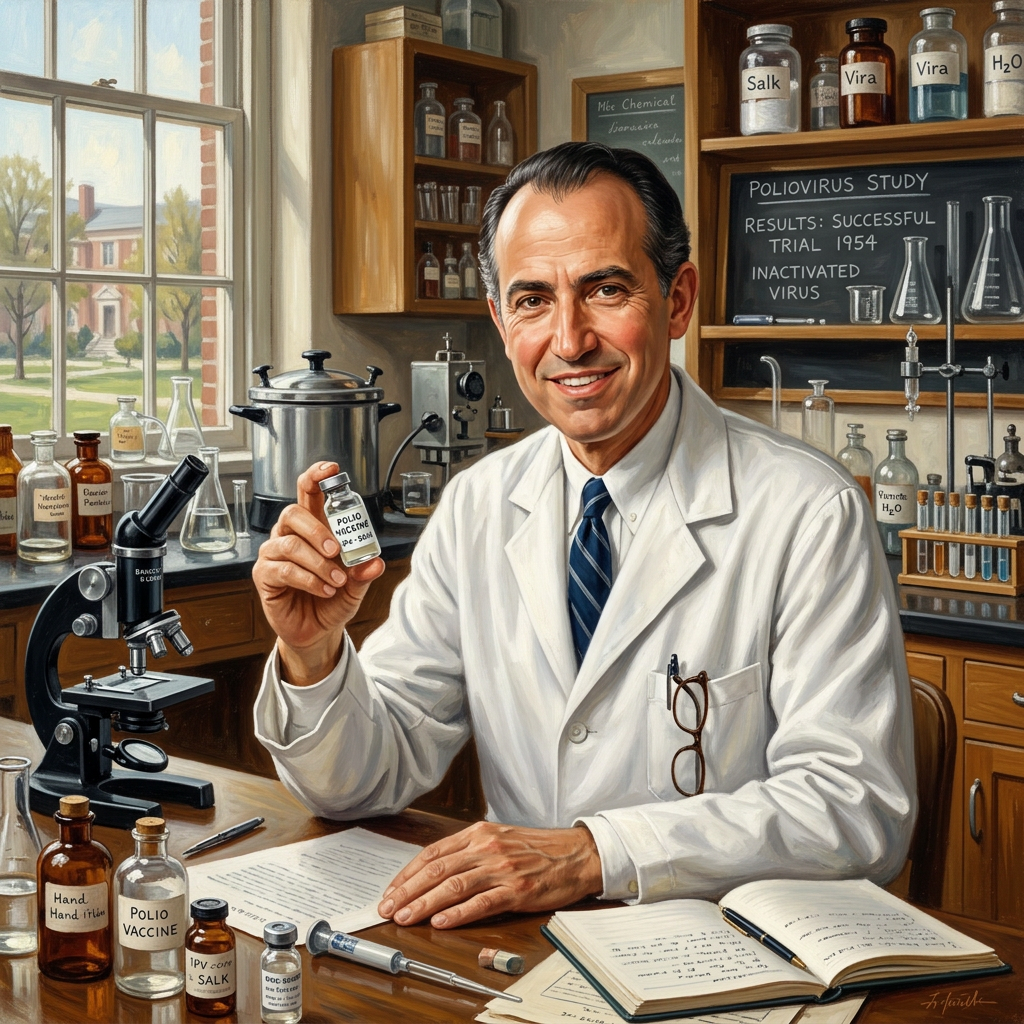
Jonas Salk developed the first successful polio vaccine, ending one of the most feared diseases of the 20th century. Polio (poliomyelitis) caused paralysis and death, particularly in children, with major epidemics occurring in the 1940s-50s. Parents lived in terror during 'polio season,' avoiding public pools and gatherings. Salk developed an inactivated (killed) virus vaccine that was safe and effective. In 1952, he began testing it, culminating in a massive 1954 field trial involving 1.8 million children - one of the largest medical experiments in history. When the vaccine proved successful in 1955, Salk became a national hero. He chose not to patent the vaccine, making it freely available worldwide, potentially costing him billions in royalties. When asked who owned the patent, he famously replied, 'The people, I would say. There is no patent. Could you patent the sun?' His selfless decision helped eradicate polio from most of the world.
1827 – 1912
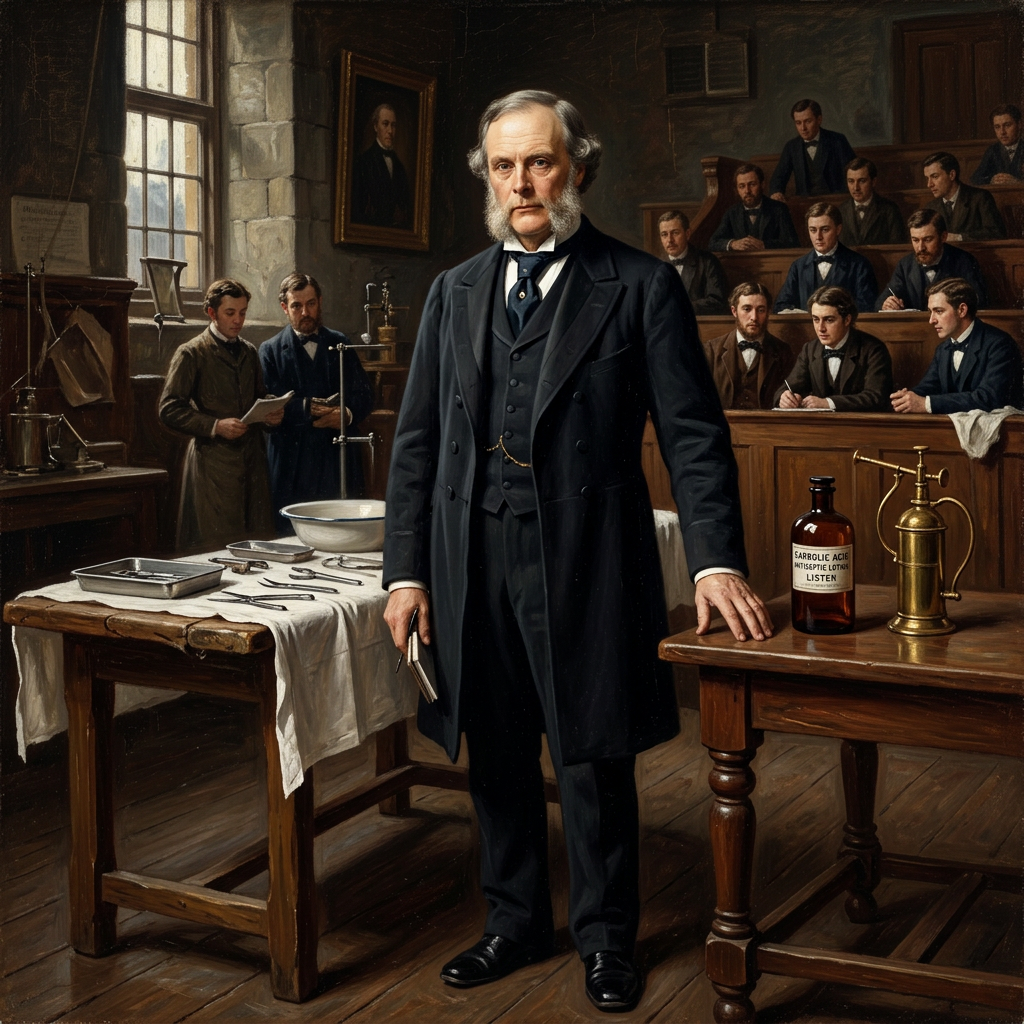
Joseph Lister revolutionized surgery by introducing antiseptic procedures that dramatically reduced post-operative infections and deaths. Before Lister, up to 50% of surgery patients died from infections, which doctors called 'hospital gangrene.' Inspired by Pasteur's germ theory, Lister reasoned that microorganisms in the air caused wound infections. In 1865, he began using carbolic acid (phenol) to sterilize surgical instruments, clean wounds, and spray the operating theater. Death rates from his surgeries dropped dramatically. Initially ridiculed by other surgeons, his methods gradually gained acceptance as their life-saving benefits became undeniable. Lister also pioneered absorbable sutures and improved drainage of surgical wounds. His antiseptic system evolved into modern aseptic technique, where sterility is maintained throughout surgery. The mouthwash Listerine was named in his honor. His work made modern surgery safe and possible.
1955
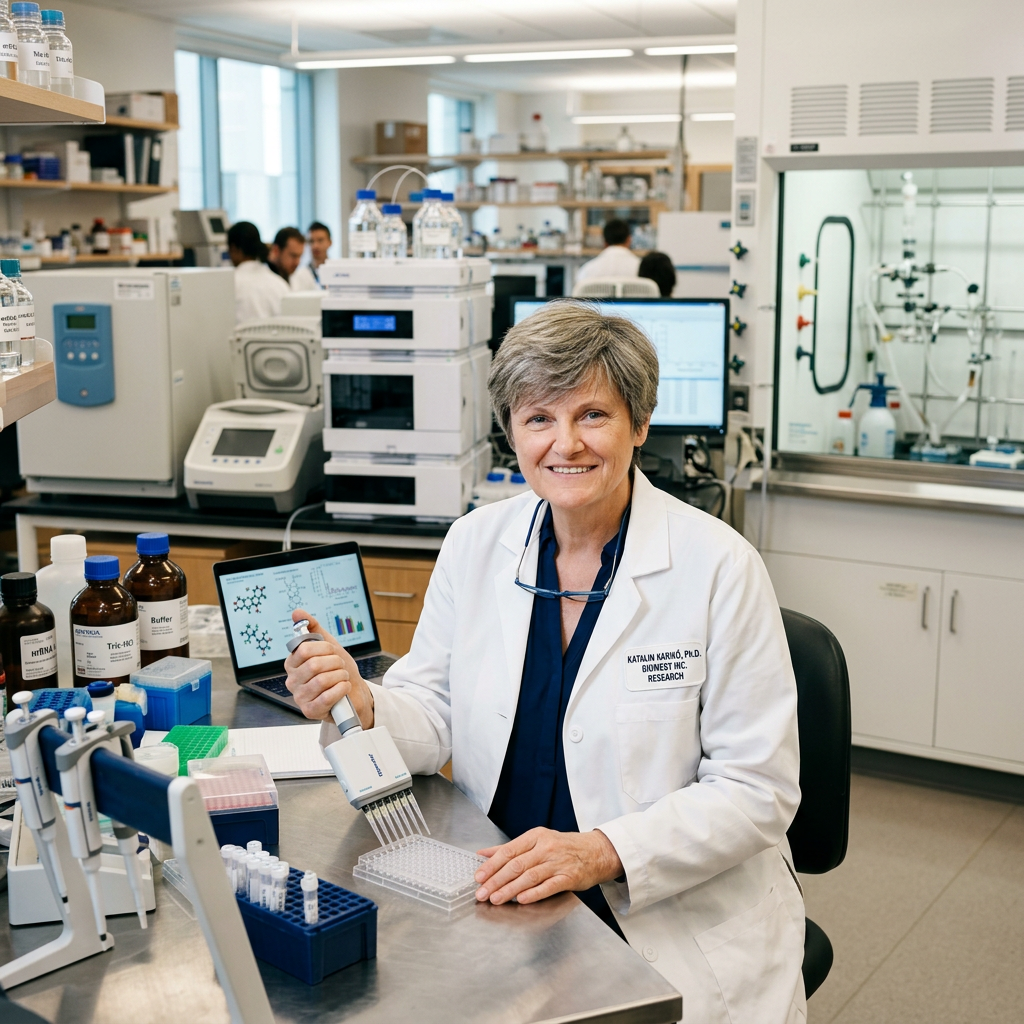
Katalin Karikó is a Hungarian-American biochemist whose decades of perseverance with mRNA research led to the development of COVID-19 vaccines that saved millions of lives. Despite facing skepticism, lack of funding, and even demotion, she continued researching how to use messenger RNA (mRNA) as medicine. In the 1990s, she discovered that modifying one building block of mRNA (pseudouridine) could prevent the immune system from attacking it, making mRNA therapeutics possible. Working with Drew Weissman, she developed the foundational technology for mRNA vaccines. When COVID-19 emerged, companies like BioNTech and Moderna used her discoveries to develop effective vaccines in record time. The COVID-19 mRNA vaccines (Pfizer-BioNTech and Moderna) saved millions of lives and demonstrated mRNA's potential to revolutionize medicine. In 2023, Karikó and Weissman received the Nobel Prize in Physiology or Medicine for their groundbreaking work.
1822 – 1895
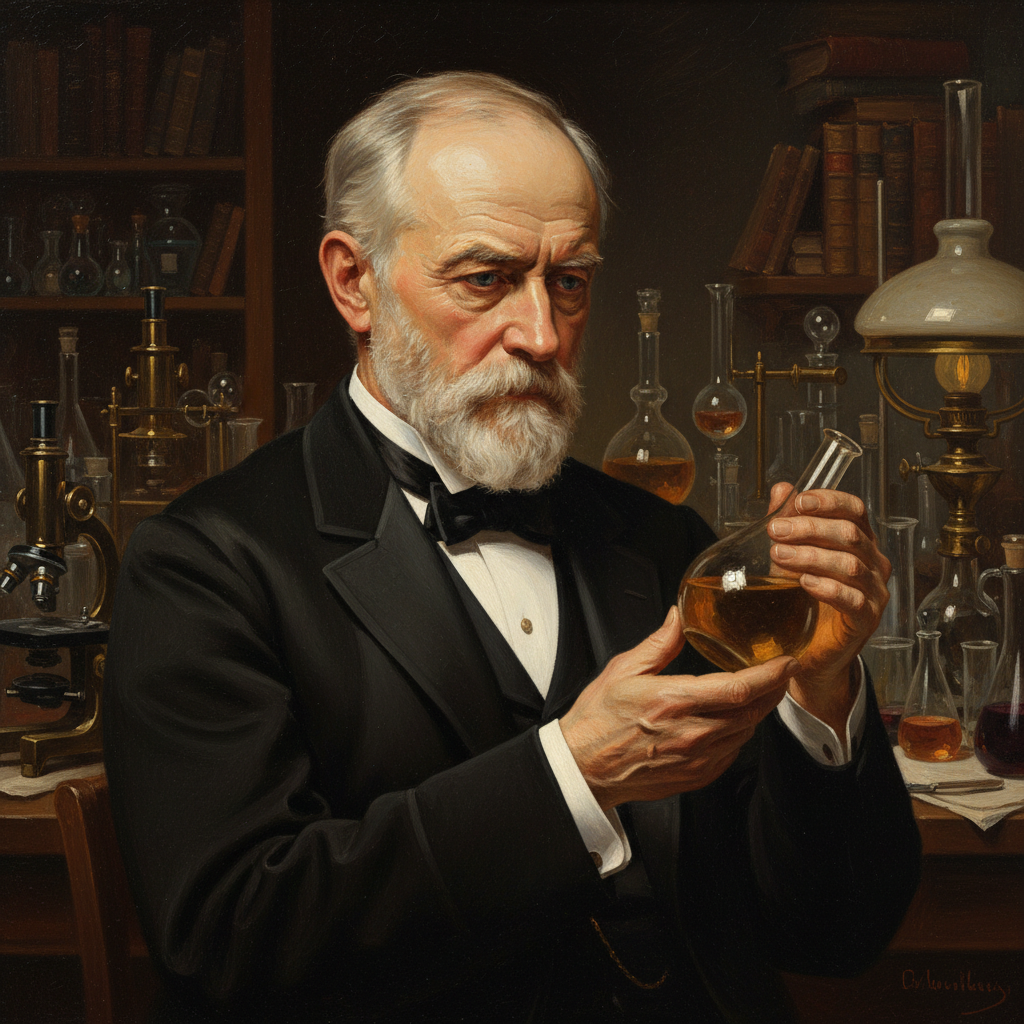
Louis Pasteur was a French chemist and microbiologist whose discoveries revolutionized medicine and saved countless lives. He proved that microorganisms cause both fermentation and disease, establishing the germ theory of disease. Pasteur demonstrated that heating liquids to kill bacteria (pasteurization) could prevent spoilage and disease transmission - a process still used worldwide today. He developed vaccines for anthrax and rabies, proving that weakened pathogens could provide immunity. His rabies vaccine, first tested on a boy bitten by a rabid dog in 1885, was successful and led to the establishment of the Pasteur Institute. Pasteur's work proved that many diseases were caused by invisible microorganisms that could be controlled through vaccination and sterilization. His discoveries laid the groundwork for modern microbiology, immunology, and preventive medicine.
1805 – 1881
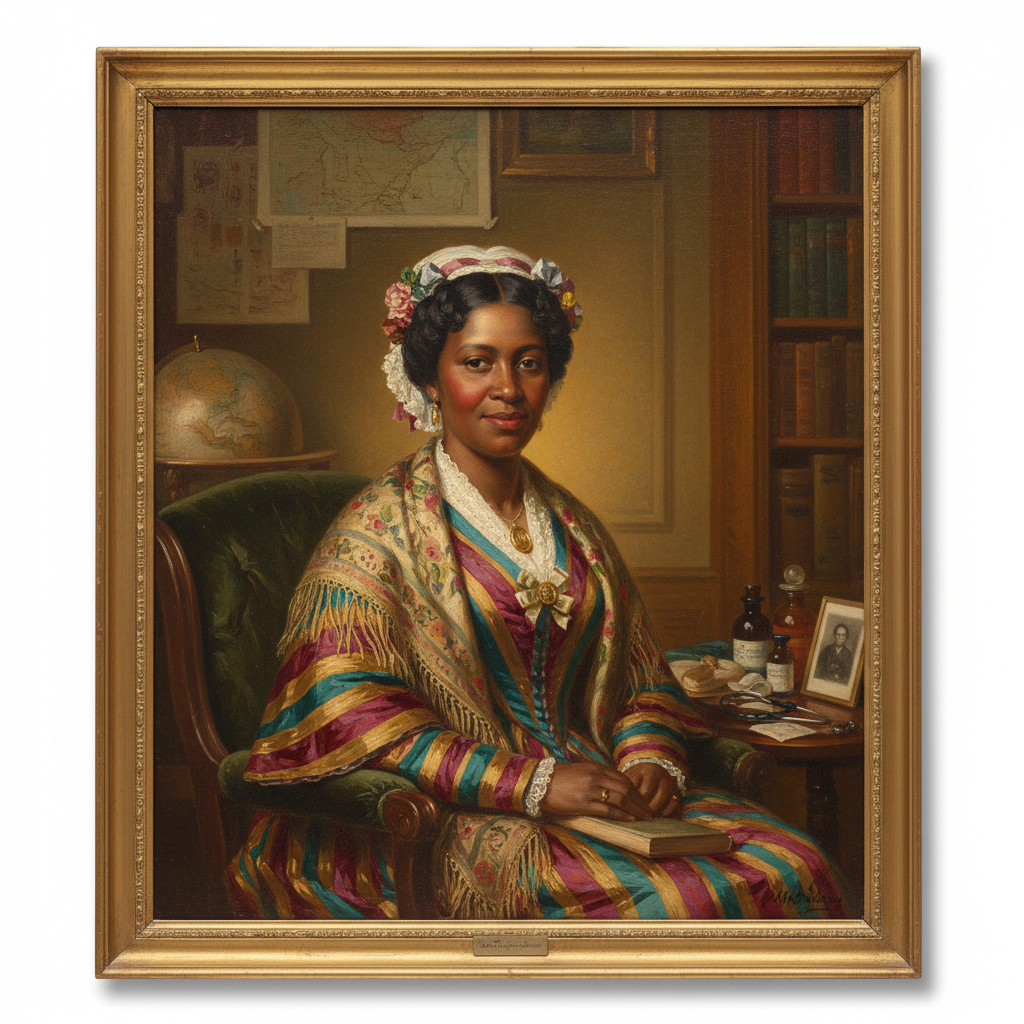
Mary Seacole was a Jamaican-Scottish nurse, healer, and entrepreneur who overcame racial prejudice to provide vital medical care to British soldiers during the Crimean War (1853–1856). Born Mary Jane Grant in Kingston, Jamaica, she learned herbal and traditional medicine from her mother, who ran a boarding house for sick soldiers and officers. Seacole travelled extensively throughout the Caribbean and Central America, treating patients during cholera and yellow fever outbreaks, developing remarkable practical medical expertise. When the Crimean War broke out, she applied to the British War Office and the Florence Nightingale nursing corps to serve — and was rejected multiple times, widely believed to be because of her race. Undeterred, she funded her own journey to the Crimea and established the 'British Hotel' near Balaclava, a supply store and convalescent facility where she cooked nutritious meals, sold medicines, and personally went onto the battlefield under fire to tend to the wounded. She was present at many of the war's most intense engagements, becoming a beloved figure among the troops who called her 'Mother Seacole'. On returning to England, she was bankrupt despite her sacrifices. A public campaign and benefit festival raised funds to support her. She published her autobiography, 'Wonderful Adventures of Mrs Seacole in Many Lands', in 1857, one of the first autobiographies written by a Black British woman.
1493 – 1541
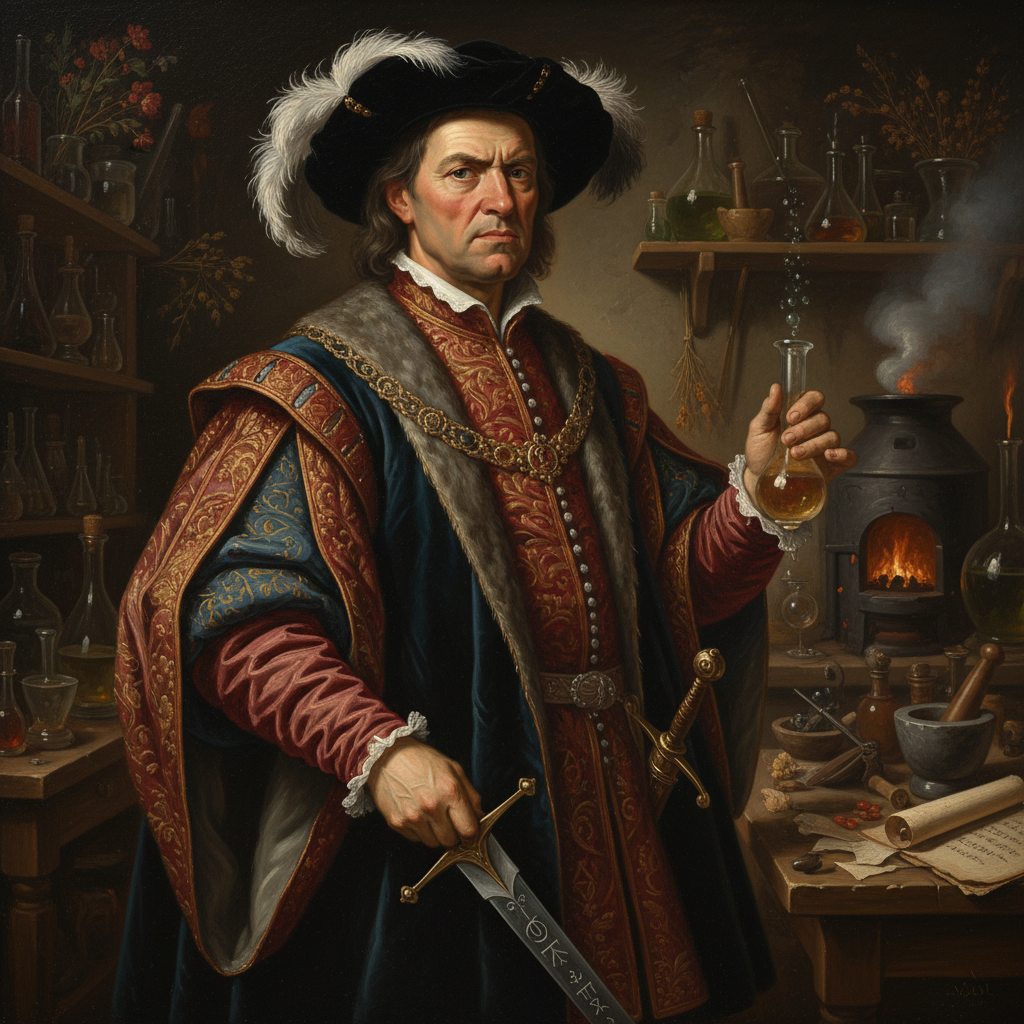
Paracelsus was a Swiss physician and alchemist who revolutionized Renaissance medicine by introducing chemical and mineral medicines. Born Philippus Aureolus Theophrastus Bombastus von Hohenheim, he rejected traditional herbal remedies in favor of chemicals and minerals like mercury, sulfur, iron, and arsenic compounds. He believed that diseases were caused by agents outside the body that could be treated with specific chemical substances. Paracelsus established the principle that 'the dose makes the poison,' founding the field of toxicology. He emphasized the importance of careful observation, experimentation, and understanding of chemical processes in medicine. Despite facing opposition from traditional physicians, his work laid foundations for modern pharmacology and chemistry's role in medicine. He also pioneered the use of laudanum (tincture of opium) for pain relief.
1714 – 1788
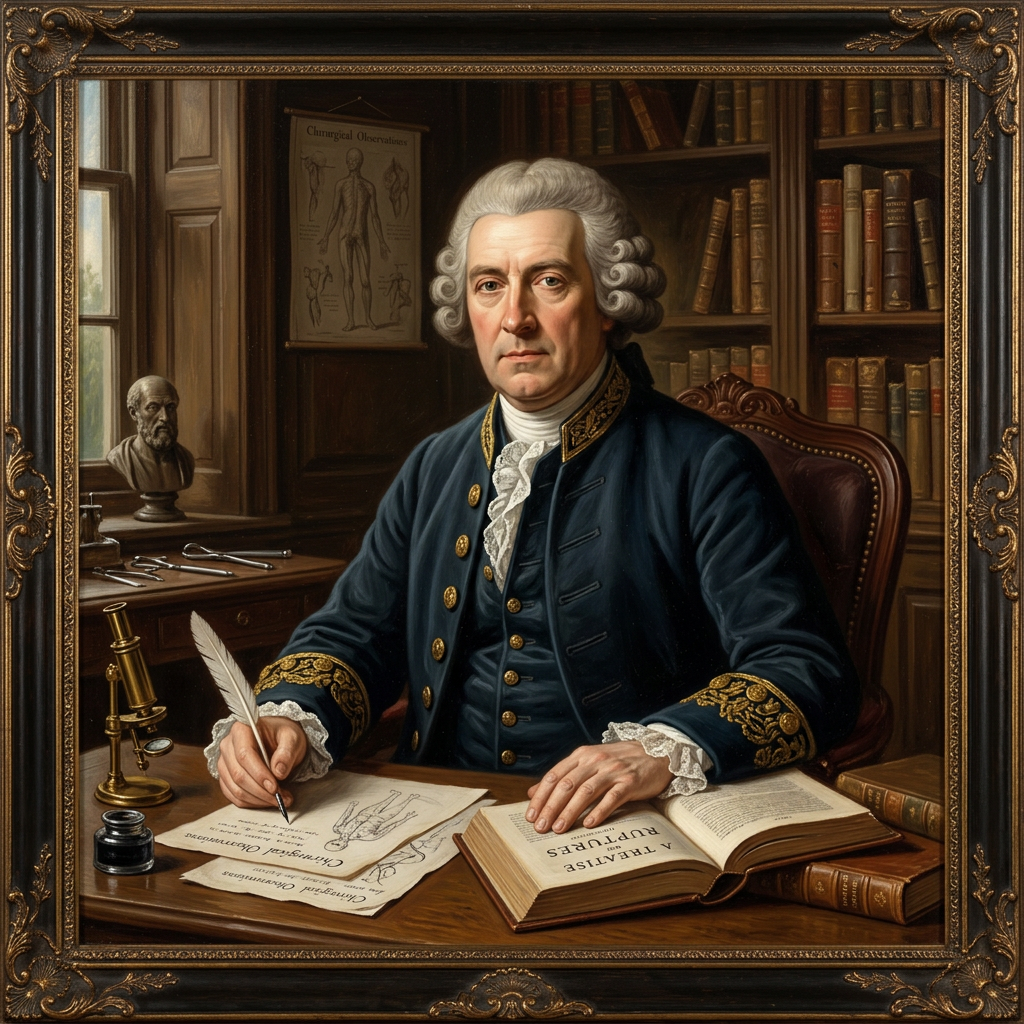
Percivall Pott was an English surgeon who made several important contributions to medicine, most notably the discovery of the first occupational cancer. In 1775, Pott observed an unusually high rate of scrotal cancer among chimney sweeps in London. These boys, often as young as 4 or 5, were forced to climb inside chimneys to clean them, exposing their skin to coal soot for hours. Pott correctly identified that prolonged soot exposure caused the cancer, making this the first recognition of an environmental cause of cancer and the first identified occupational disease. This discovery eventually led to protective legislation for chimney sweeps and established the principle that workplace conditions could cause cancer. Pott also described 'Pott's fracture' (a specific type of ankle fracture) and 'Pott's disease' (tuberculosis of the spine), both of which still bear his name. He improved surgical techniques and was one of the most skilled and respected surgeons of his era. His systematic observations and willingness to identify social causes of disease marked an important advancement in public health and epidemiology.
1781 – 1826
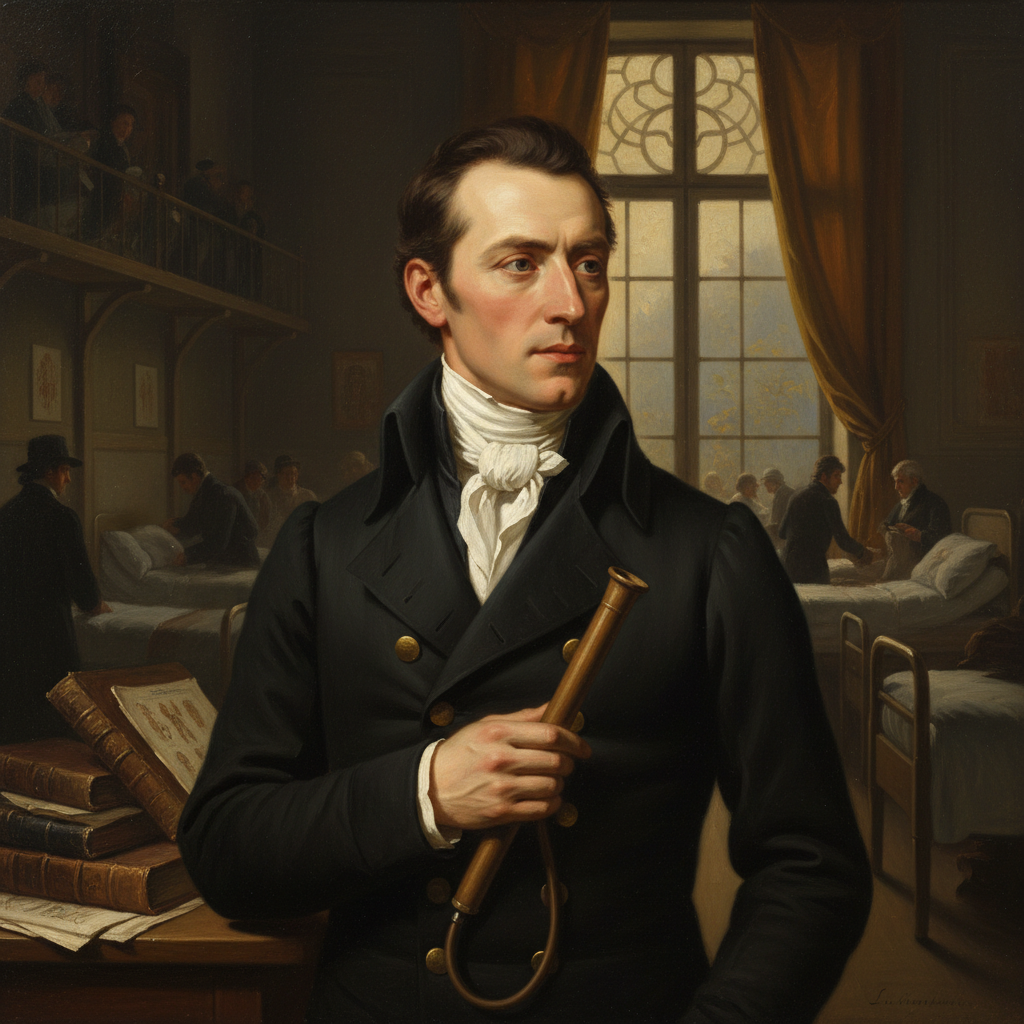
René-Théophile-Hyacinthe Laennec was a French physician who invented the stethoscope, one of medicine's most iconic and enduring diagnostic tools. In 1816, examining a young female patient, Laennec faced a dilemma - the standard method of listening to the heart required placing his ear directly on the patient's chest, which was inappropriate. Remembering that sound travels through solid objects, he rolled up a paper tube and placed one end on her chest and the other to his ear. He was amazed to hear the heart sounds more clearly than ever before. Laennec refined his invention, creating a wooden cylinder he called the 'stethoscope' (from Greek: 'to view the chest'). He spent years correlating sounds heard through his stethoscope with pathological findings at autopsy, learning to diagnose lung diseases, heart conditions, and other ailments from distinctive sounds. His book 'De l'Auscultation Médiate' (On Mediate Auscultation) described various disease sounds and revolutionized diagnosis. The stethoscope transformed medicine by giving doctors a non-invasive way to examine internal organs. Ironically, Laennec died of tuberculosis at age 45, a disease he had become expert at diagnosing with his invention.
854 – 925
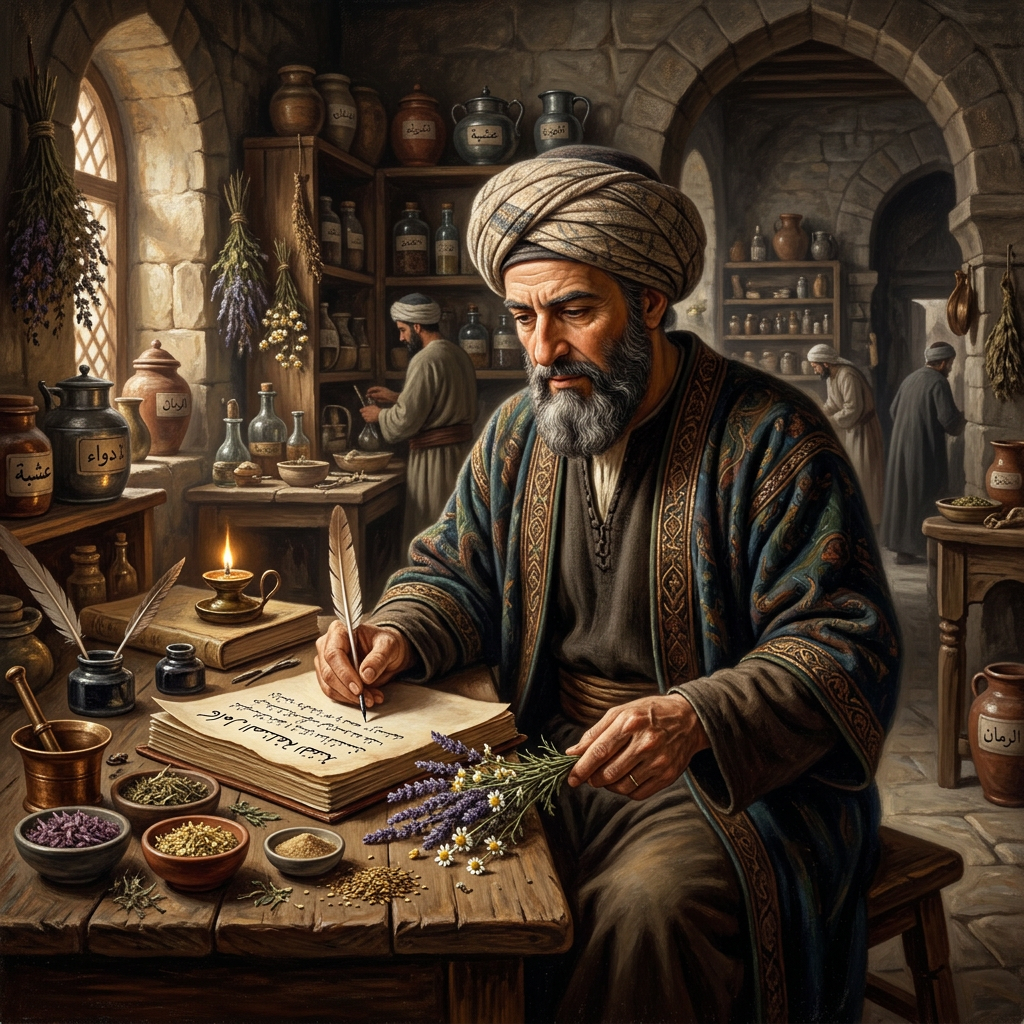
Al-Razi, known in the West as Rhazes, was one of the greatest physicians and chemists of the Islamic Golden Age. Born in Ray, Persia (modern-day Iran), he was a polymath who made groundbreaking contributions to medicine, chemistry, and philosophy. His most famous work, Kitab al-Hawi (The Comprehensive Book on Medicine), was a massive medical encyclopedia that compiled all known medical knowledge of his time along with his own clinical observations. This 23-volume work was later translated into Latin as 'Liber Continens' and remained a standard medical reference in Europe for centuries. Al-Razi was the first physician to clearly distinguish between smallpox and measles, describing their different symptoms and clinical courses in detail. He emphasized careful observation, clinical documentation, and ethical treatment of patients. Al-Razi pioneered the use of mercury compounds in medicine and contributed significantly to chemistry. He established the first systematic classification of chemical substances. His approach to medicine was remarkably modern - he believed in detailed clinical observation, documentation of case studies, and learning from both successes and failures. He also wrote about medical ethics and the importance of treating poor patients with the same care as the wealthy.
1843 – 1910
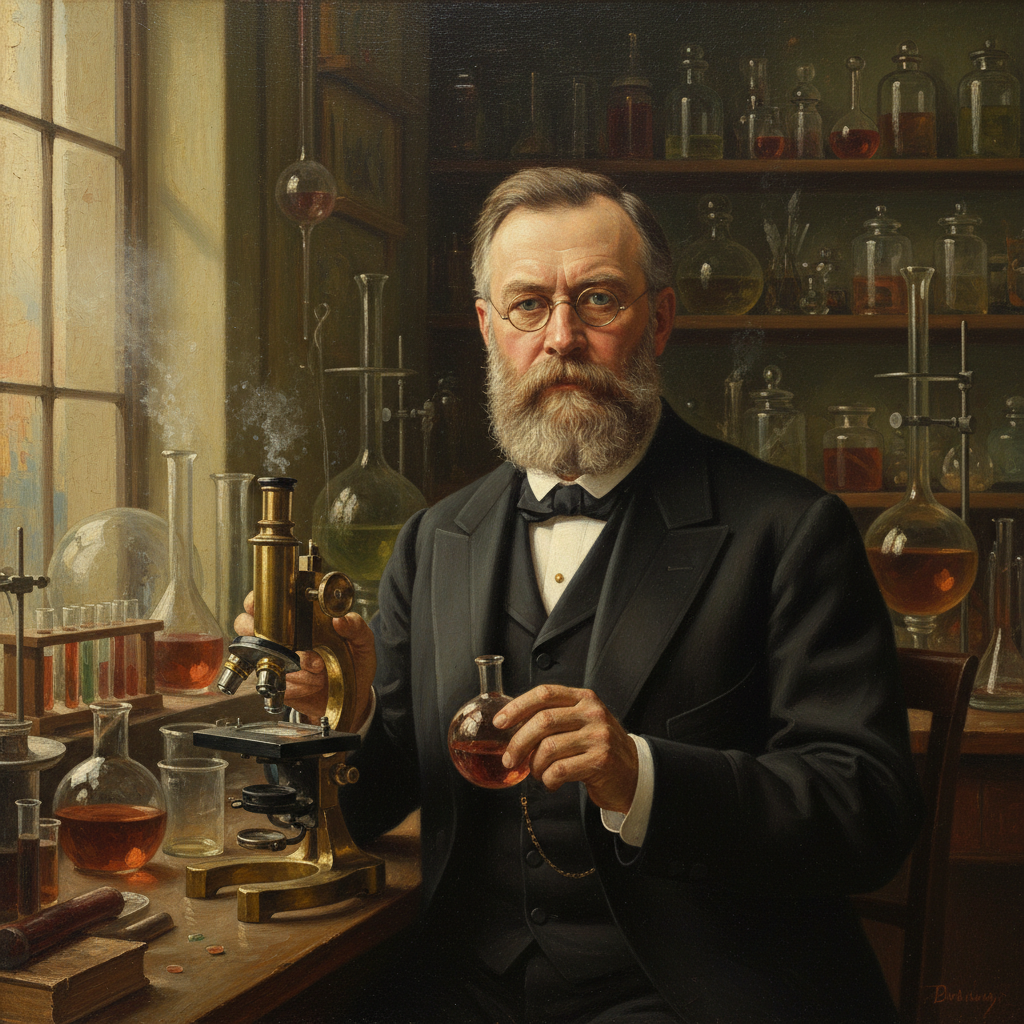
Robert Koch was a German physician who identified the bacteria responsible for tuberculosis, cholera, and anthrax, becoming one of the founders of modern bacteriology. He developed innovative methods for culturing, staining, and photographing bacteria, making them visible and identifiable. Koch formulated 'Koch's Postulates,' four criteria still used today to establish whether a specific microorganism causes a specific disease. In 1882, he identified Mycobacterium tuberculosis as the cause of TB, which killed one in seven people in Europe at the time. He later identified the cholera bacterium and showed how it spread through contaminated water. His systematic approach to studying infectious diseases established microbiology as a rigorous science. Koch received the Nobel Prize in Physiology or Medicine in 1905 for his tuberculosis work. His discoveries enabled targeted treatments and prevention strategies for deadly diseases.
1920 – 1958
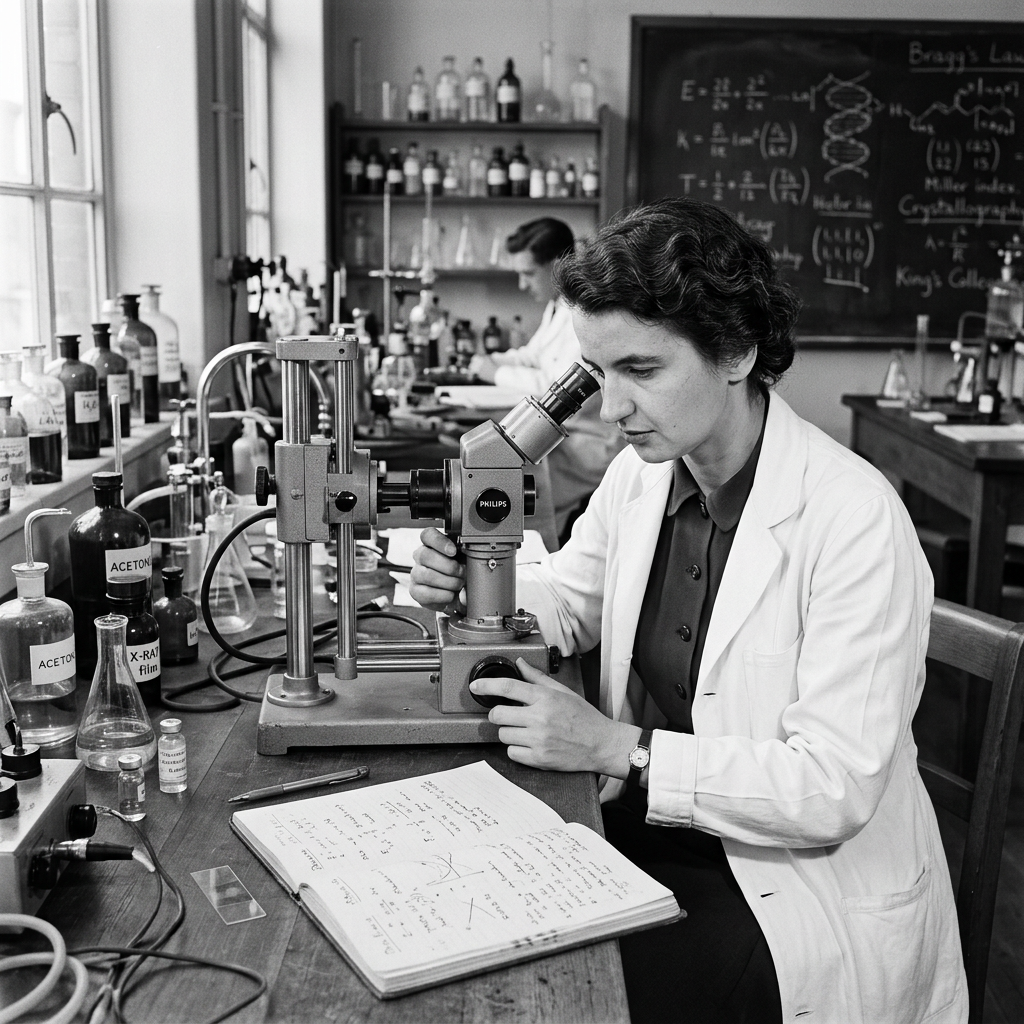
Rosalind Franklin was a brilliant British chemist whose X-ray crystallography work was crucial to discovering DNA's structure. Working at King's College London, she produced exceptionally clear X-ray diffraction images of DNA, particularly 'Photo 51' - the famous image that revealed DNA's helical structure. Her meticulous experimental work and data analysis provided the key evidence for DNA's double helix structure. Tragically, her colleague Maurice Wilkins showed Photo 51 to James Watson without her permission or knowledge. Watson and Francis Crick used her data to build their DNA model, publishing in 1953 without properly crediting her contribution. Franklin died of ovarian cancer at age 37 in 1958, possibly caused by radiation exposure from her X-ray work. Four years later, Watson, Crick, and Wilkins received the Nobel Prize for the DNA discovery - the Nobel isn't awarded posthumously, so Franklin couldn't be honored. Only in recent decades has her crucial role been recognized.
1561 – 1636
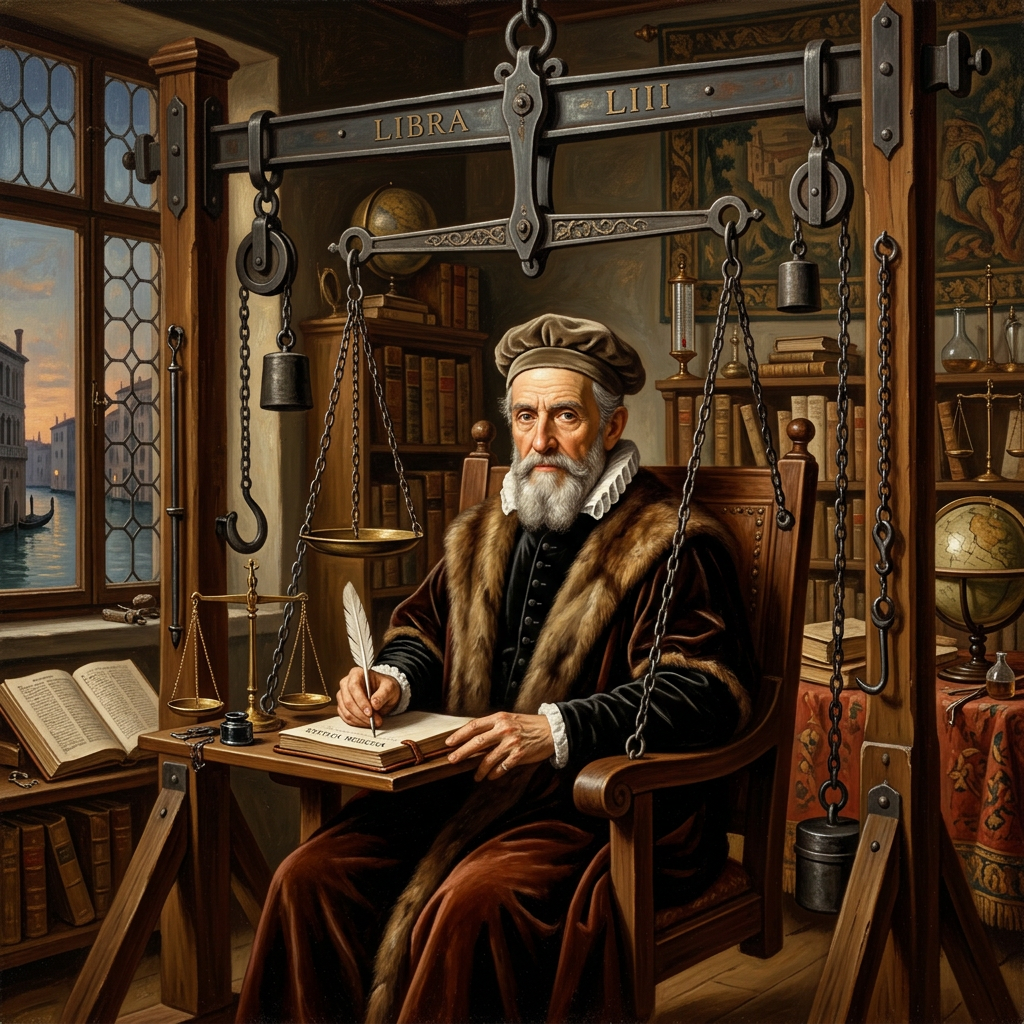
Santorio Santorio (also called Sanctorius) was an Italian physician who pioneered the use of precise measurement in medicine. A friend of Galileo, Santorio applied quantitative methods to study human physiology. He invented the thermometer (thermoscope) for medical use, creating the first device to measure body temperature - a revolutionary concept at the time. Santorio conducted an extraordinary 30-year experiment on himself to study metabolism. He built a large weighing chair suspended from a scale and weighed himself, his food, drink, and excretions continuously. Through meticulous record-keeping, he discovered 'insensible perspiration' - the weight lost through respiration and perspiration that couldn't be seen. This was the first quantitative study of metabolism. He also invented the pulsilogium, a device to measure pulse rate, and various instruments to measure physical processes. Santorio's work established the principle that medicine should be based on measurement and quantification, not just observation. His approach laid foundations for modern experimental physiology and evidence-based medicine. He held the world's first academic chair in theoretical medicine at the University of Padua.
1578 – 1657
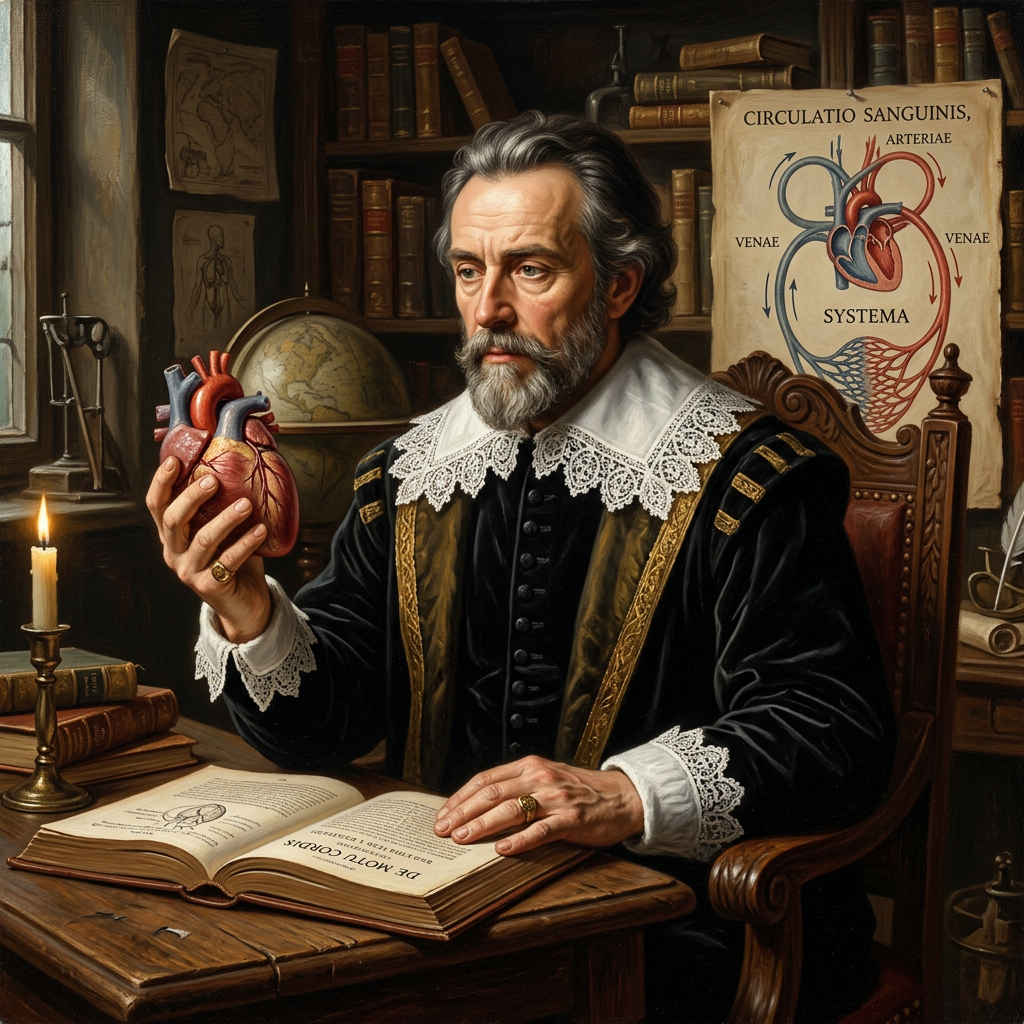
William Harvey made one of the most important discoveries in medical history: the circulation of blood. Through careful experiments and observations, he proved that blood circulates throughout the body in a closed system, pumped by the heart. This overturned 1,400 years of belief in Galen's theory that blood was continuously produced by the liver and consumed by tissues. Harvey calculated that the amount of blood pumped by the heart in one hour exceeded the total volume of blood in the body, proving that blood must be recycled. He described how blood flows from the heart through arteries to the body, then returns through veins back to the heart. Published in 1628, his work De Motu Cordis (On the Motion of the Heart) revolutionized understanding of human physiology and established the modern scientific method of combining observation, measurement, and logical reasoning.
1771 – 1802
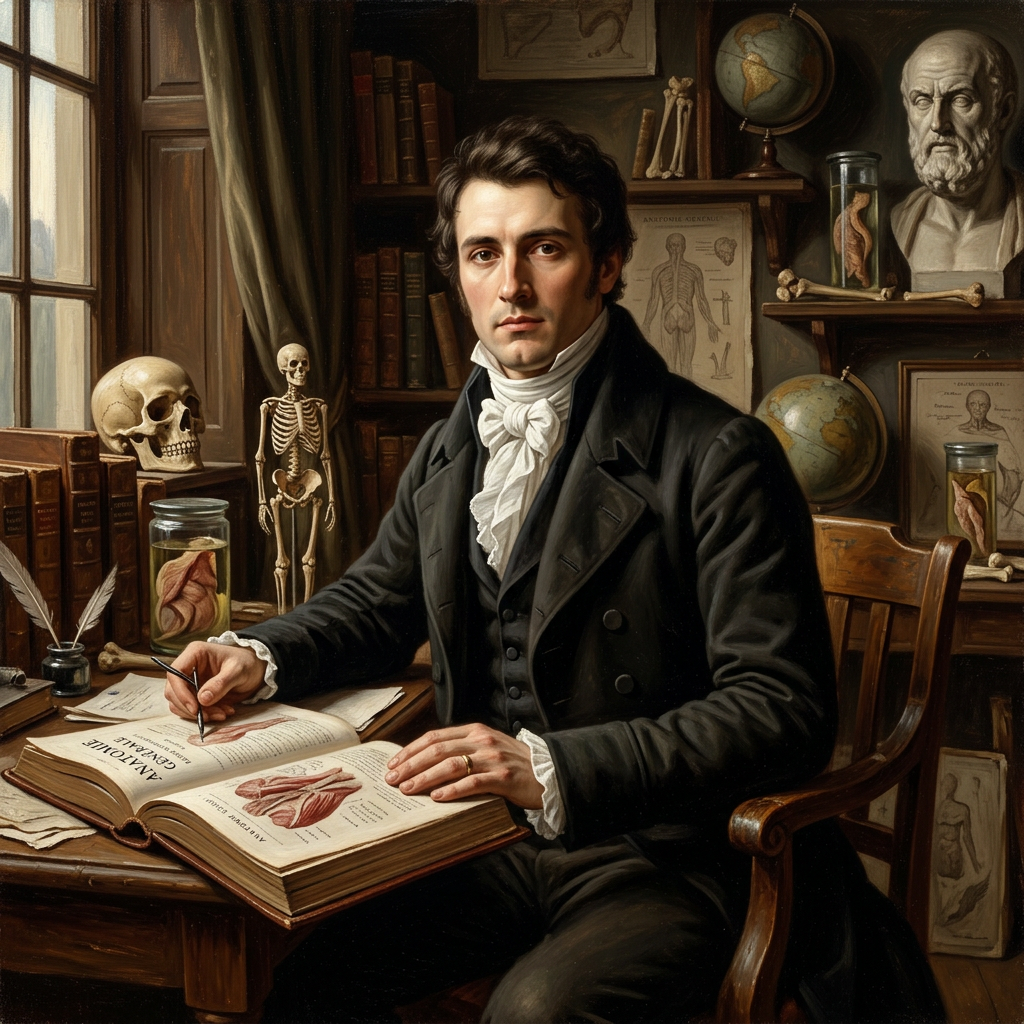
Marie François Xavier Bichat was a French anatomist and pathologist who founded histology (the study of tissues) despite never using a microscope. In his tragically short life - he died at age 30 - Bichat revolutionized anatomy by identifying that organs weren't homogeneous masses but were composed of distinct types of tissue. Through careful dissection and observation, he classified 21 different types of tissue in the human body, including muscle, nerve, connective, and epithelial tissues. His groundbreaking book 'Traité des Membranes' (Treatise on Membranes) established that the same tissue types appeared in different organs, and that diseases affected specific tissues rather than whole organs. This tissue-based approach to anatomy and pathology was revolutionary. Bichat performed over 600 autopsies to study how diseases affected different tissues. He famously stated that 'Life is the sum of functions that resist death,' emphasizing the body's active role in maintaining health. Working without microscopes, Bichat's observations were remarkably accurate and laid the groundwork for cellular pathology that would develop later with microscopy. His systematic classification of tissues transformed how physicians understood anatomy, disease, and treatment.